In today's fast-paced world, the significance of air conditioning cannot be overstated. As temperatures rise and humidity levels fluctuate, having a reliable cooling system has transitioned from a luxury to a necessity in many households and workplaces. The comfort provided by an efficient air conditioning system not only enhances our quality of life but also plays a crucial role in maintaining productivity and health. Understanding the intricacies of AC operation is essential for homeowners and business owners alike, as it empowers them to make informed decisions regarding installation, maintenance, and energy efficiency.At its core, air conditioning is a technology designed to regulate indoor temperatures and improve air quality.
By removing heat and moisture from the air, air conditioning systems create a comfortable environment that can significantly impact our daily activities. Whether it's enjoying a peaceful night's sleep during sweltering summer nights or ensuring optimal conditions for sensitive equipment in commercial settings, the role of air conditioning is pivotal. However, many people remain unaware of how these systems function behind the scenes.This comprehensive guide aims to demystify the science behind air conditioning by exploring the fundamental principles of how air conditioning works. From the basic components like evaporators and condensers to advanced technologies such as ductless systems, we will delve into each aspect of AC operation.
By gaining a deeper understanding of these systems, you will not only appreciate their value but also learn how to optimize their performance for maximum comfort and efficiency.
The Basics of AC Operation
Understanding the operation of air conditioning systems begins with familiarizing yourself with their core components. Each part plays a vital role in the overall functionality, ensuring that your indoor environment remains cool and comfortable, especially during the sweltering summer months.1.The Evaporator
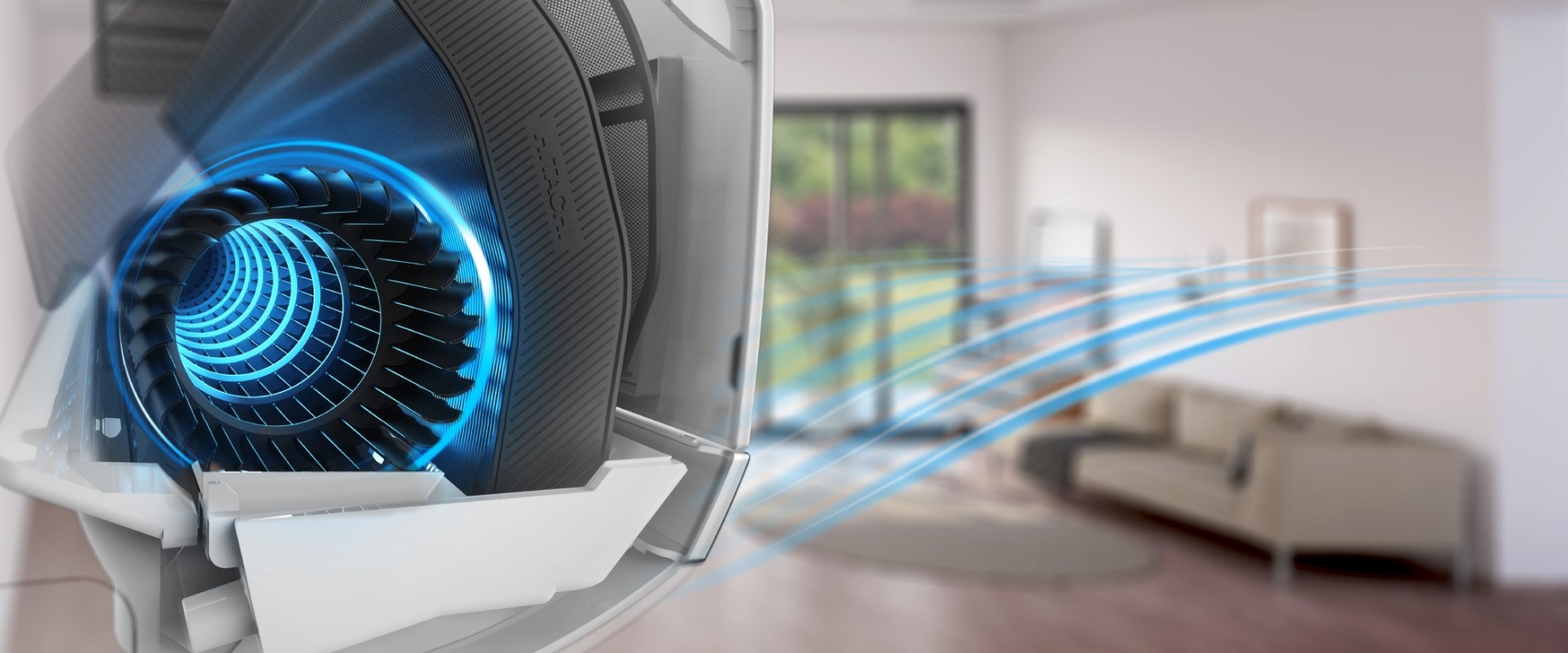
The evaporator is located inside your home and is responsible for absorbing heat from the indoor air. As warm air circulates through the ducts, it passes over the evaporator coils, which are filled with refrigerant. This refrigerant absorbs the heat, causing it to evaporate and transform into a low-pressure gas.
The cooling effect is enhanced by a fan that blows air over the coils, distributing the chilled air throughout your living space.
2.The Compressor
Once the refrigerant has absorbed heat and turned into gas, it travels to the compressor, which is typically found in the outdoor unit. The compressor's primary function is to compress this low-pressure gas into a high-pressure gas, significantly increasing its temperature. This process is crucial because it prepares the refrigerant for heat dissipation in the next stage of operation.
3.The Condenser
The high-pressure gas then moves to the condenser, where it releases its heat to the outside air. The condenser coils are equipped with metal fins that facilitate this heat exchange.
As air flows over these fins, the refrigerant cools down and condenses back into a liquid state. This phase change is essential for maintaining an efficient cooling cycle.
4.The Refrigerant
The refrigerant is a specialized fluid that circulates through the entire system, enabling heat transfer between the indoor and outdoor units. It undergoes various phase changes—evaporating to absorb heat and condensing to release it—making it integral to AC operation. Modern systems often use eco-friendly refrigerants that minimize environmental impact while maintaining efficiency.In summary, understanding these fundamental components—the evaporator, compressor, condenser, and refrigerant—provides valuable insight into how air conditioning systems operate.
This knowledge not only enhances your appreciation of these systems but also aids in troubleshooting and maintenance efforts.
The Refrigeration Cycle Explained
The refrigeration cycle is the fundamental process that enables air conditioning systems to cool indoor spaces effectively. Understanding this cycle is crucial for grasping how AC operation maintains comfort in our homes, especially during the sweltering summer months.At its core, the refrigeration cycle consists of four main stages: evaporation, compression, condensation, and expansion. Each stage plays a vital role in transferring heat from the indoor environment to the outside.1.Evaporation
The cycle begins in the evaporator coil, located inside the air conditioning unit. Here, the refrigerant—typically a chemical compound with low boiling points—absorbs heat from the indoor air.As warm air circulates over the evaporator coils, the refrigerant inside them evaporates from a liquid to a gas. This phase change absorbs significant amounts of heat, effectively cooling the air that is then circulated back into your living space.
2.Compression
Once the refrigerant has absorbed heat and transformed into a gas, it travels to the compressor located in the outdoor unit. The compressor's role is to compress this gas, raising its pressure and temperature significantly. This process is essential because it prepares the refrigerant for the next stage of the cycle by ensuring it can release heat efficiently.3.Condensation
The high-pressure gas then moves to the condenser coils, where it releases its heat to the outside air.As it cools down, the refrigerant transitions back into a liquid state. This heat exchange occurs as outdoor air flows over the condenser coils, aided by a fan that enhances airflow. The efficiency of this stage is critical; if the condenser cannot dissipate heat effectively, it can lead to reduced cooling performance.
4.Expansion
After condensing, the refrigerant returns to a low-pressure state through an expansion valve or capillary tube. This sudden drop in pressure allows the refrigerant to cool further before re-entering the evaporator coil, where it can once again absorb heat from indoor air.This cyclical process continues as long as the air conditioning system operates.In summary, understanding how refrigeration works through these four stages not only demystifies AC operation but also highlights why regular maintenance is essential for optimal performance. By ensuring each component functions correctly, homeowners can enjoy consistent comfort while maximizing energy efficiency.
Understanding Thermostats and Controls
At the heart of every air conditioning system lies the thermostat , a crucial component that regulates the temperature within your home. Understanding how thermostats function can significantly enhance your comfort and energy efficiency.Traditional thermostats operate on a simple principle: they measure the ambient temperature of the air in your home and compare it to a set point that you have chosen. When the temperature rises above this set point, the thermostat signals the air conditioning system to turn on, cooling the space until the desired temperature is reached.Conversely, when the temperature drops below this threshold, the system shuts off. This basic on-off mechanism is effective but can lead to fluctuations in temperature, often resulting in discomfort.
Types of Thermostats
There are primarily two types of thermostats: mechanical and digital. Mechanical thermostats use a bimetallic strip that bends with temperature changes, while digital thermostats utilize electronic sensors for more precise readings. Digital models often come with programmable features that allow users to set different temperatures for various times of the day, enhancing both comfort and energy savings.In recent years, smart thermostats have gained popularity due to their advanced capabilities.These devices connect to your home Wi-Fi network and can be controlled remotely via smartphone apps. Smart thermostats learn your habits over time, adjusting settings automatically based on when you are home or away. This not only maximizes comfort but also optimizes energy usage, potentially leading to significant savings on utility bills.
The Impact on Energy Efficiency
The choice of thermostat can greatly influence your air conditioning system's energy efficiency. Traditional models may lead to higher energy consumption due to their less precise control over temperature settings.In contrast, smart thermostats can reduce energy usage by up to 30% by ensuring that your AC only runs when necessary.Moreover, many smart thermostats provide insights into your energy consumption patterns, allowing you to make informed decisions about your heating and cooling habits. Features such as geofencing enable the thermostat to adjust settings based on your location, ensuring that energy is not wasted when no one is home.In conclusion, understanding the role of thermostats in AC operation is essential for optimizing comfort and efficiency in your home. Whether you opt for a traditional model or invest in a smart thermostat, being aware of how these devices function can lead to better climate control and lower energy costs.
Common Issues and Troubleshooting Tips
Air conditioning units, while designed for durability and efficiency, can encounter a variety of issues over time. Understanding these common problems and knowing how to troubleshoot them can save homeowners both time and money.Here are some frequent issues that may arise with your AC system, along with practical tips for addressing them.
1.Insufficient Cooling
If your air conditioner is running but not cooling effectively, it could be due to several factors:- Dirty Air Filters: Clogged filters restrict airflow, making it difficult for the unit to cool the air. Check and replace or clean your filters regularly, ideally every 1-3 months.
- Refrigerant Leaks: Low refrigerant levels can hinder cooling. If you suspect a leak, contact a professional technician to inspect and recharge the system.
- Thermostat Issues: Ensure your thermostat is functioning correctly. If it’s not calibrated properly, it may not signal the AC to cool effectively.
2.Unusual Noises
Strange sounds coming from your AC unit can indicate underlying problems:- Banging or Clanking: This could suggest loose or broken components within the unit.
Turn off the system and consult a technician.
- Squealing: A high-pitched squeal may indicate a worn-out belt or motor issue that requires immediate attention.
- Hissing or Bubbling: These sounds might point to refrigerant leaks, which should be addressed by a professional.
3.Water Leaks
Water pooling around your AC unit can be a sign of trouble:- Clogged Drain Line: A blocked condensate drain line can cause water to back up and leak. Regularly check and clear any obstructions.
- Dirty Coils: If the evaporator coils are dirty, they can freeze up and lead to excess water when they thaw. Schedule regular maintenance to keep coils clean.
4.Frequent Cycling
If your AC turns on and off frequently, it may be short cycling:- Oversized Unit: An air conditioner that is too large for your space will cool too quickly without adequately dehumidifying the air, leading to frequent cycling.
- Thermostat Placement: Ensure your thermostat is not located near heat sources or in direct sunlight, as this can cause inaccurate readings.
Energy Efficiency and Environmental Impact
As global temperatures continue to rise, the demand for air conditioning (AC) systems has surged, leading to increased energy consumption and environmental concerns.Understanding the energy efficiency of AC units is crucial for both consumers and manufacturers, as it directly impacts utility bills and the planet's health.Energy efficiency in air conditioning systems is typically measured by the Seasonal Energy Efficiency Ratio (SEER) or the Energy Efficiency Ratio (EER). These ratings indicate how effectively a unit cools a space relative to the energy it consumes. Higher SEER and EER ratings signify better energy efficiency, which can lead to significant savings on electricity bills over time.To enhance energy efficiency, homeowners can consider several strategies:
- Regular Maintenance: Routine checks and servicing of AC units ensure they operate at peak efficiency. This includes cleaning or replacing filters, checking refrigerant levels, and inspecting ductwork for leaks.
- Smart Thermostats: Installing programmable or smart thermostats allows users to optimize cooling schedules based on occupancy, reducing unnecessary energy use.
- Proper Insulation: Ensuring that homes are well-insulated minimizes the workload on AC systems by keeping cool air in and hot air out.
- Energy Star Certified Units: When purchasing new systems, look for Energy Star labels, which indicate compliance with strict energy efficiency guidelines set by the U.
S. Environmental Protection Agency.
- Evaporative Coolers: Also known as swamp coolers, these devices use water evaporation to cool air, consuming significantly less energy than traditional AC units.
- Geothermal Heat Pumps: These systems leverage the earth's stable underground temperature to provide efficient heating and cooling, drastically reducing energy consumption.
- Solar-Powered AC Units: Utilizing solar panels to power air conditioning systems can significantly reduce reliance on fossil fuels and lower greenhouse gas emissions.
By adopting eco-friendly practices and exploring alternative cooling solutions, we can contribute to a more sustainable future while enjoying the comfort of climate-controlled spaces.
Future Trends in Air Conditioning Technology
As we look to the future, the landscape of air conditioning technology is poised for significant transformation. With a growing emphasis on sustainability and energy efficiency, innovations in AC systems are becoming increasingly vital. Here are some key trends that are shaping the future of air conditioning:1.Smart Cooling Solutions
The integration of smart technology into air conditioning systems is one of the most exciting developments. Smart thermostats and connected devices allow homeowners to control their cooling systems remotely via smartphones or voice-activated assistants.This not only enhances convenience but also optimizes energy usage by adjusting settings based on real-time data and user preferences.
2.Energy Efficiency and Eco-Friendly Refrigerants
With climate change concerns at the forefront, manufacturers are focusing on creating more energy-efficient units. The latest models are designed to consume less power while providing superior cooling performance. Additionally, there is a shift towards using eco-friendly refrigerants that have a lower global warming potential (GWP). These advancements not only help reduce energy bills but also minimize environmental impact.3.Variable Refrigerant Flow (VRF) Systems
Variable Refrigerant Flow technology is gaining traction as a highly efficient solution for both residential and commercial spaces.VRF systems can simultaneously heat and cool different areas of a building, allowing for customized comfort levels in various zones. This flexibility leads to significant energy savings and improved overall efficiency.
4.Enhanced Air Quality Features
As awareness of indoor air quality grows, future air conditioning systems will likely incorporate advanced filtration technologies. Features such as HEPA filters, UV light purification, and humidity control will become standard in many units, ensuring that the air circulated within homes is clean and healthy.5.Integration with Renewable Energy Sources
The future of air conditioning may also see greater integration with renewable energy sources such as solar power. Systems designed to operate efficiently with solar panels can significantly reduce reliance on traditional energy grids, making them an attractive option for environmentally conscious consumers.In conclusion, staying informed about these emerging trends in air conditioning technology can empower consumers to make better choices for their homes.As innovations continue to evolve, the potential for enhanced comfort, efficiency, and sustainability in cooling solutions will only grow.
Conclusion: The Importance of Understanding AC Operation
In conclusion, understanding the operation of air conditioning systems is not merely an academic exercise; it is a vital component of ensuring comfort, efficiency, and longevity of your unit. Throughout this guide, we have explored the intricate processes that allow air conditioners to function effectively, from the role of the evaporator and condenser to the importance of refrigerant flow and temperature regulation.By grasping how these systems work, homeowners can make informed decisions regarding maintenance and repairs. Regular upkeep, such as cleaning filters and checking refrigerant levels, can significantly enhance the performance of your air conditioning unit. Neglecting these tasks can lead to decreased efficiency, higher energy bills, and even costly breakdowns.Moreover, understanding AC operation empowers you to troubleshoot minor issues before they escalate into major problems.For instance, if you notice that your system is not cooling effectively, knowing how to check the thermostat settings or inspect the air filters can save you time and money. This proactive approach not only extends the lifespan of your unit but also contributes to a more sustainable environment by reducing energy consumption.Additionally, as technology continues to evolve, new advancements in air conditioning systems—such as smart thermostats and energy-efficient models—are becoming increasingly available. Familiarity with these innovations allows homeowners to make choices that align with their comfort needs while also being mindful of energy usage.In summary, a comprehensive understanding of AC operation is essential for anyone looking to maintain a comfortable living environment. It equips you with the knowledge necessary to optimize performance, enhance energy efficiency, and ultimately enjoy a cooler home during those sweltering summer months.