In today's fast-paced world, the significance of air conditioning cannot be overstated. As temperatures rise and humidity levels fluctuate, the ability to maintain a comfortable indoor environment has become essential for both residential and commercial spaces. The concept of AC operation extends beyond mere comfort; it plays a crucial role in enhancing productivity, safeguarding health, and improving overall quality of life. Understanding how air conditioning works is not just for technicians; it empowers users to make informed decisions about their cooling systems.At its core, air conditioning is a sophisticated technology designed to regulate indoor temperatures by removing heat and moisture from the air.
This process involves a series of mechanical and thermodynamic principles that work in harmony to create a pleasant atmosphere. From the moment warm air enters the system to the point where cool air is circulated back into the living space, each step is vital in achieving optimal performance. The intricate workings of an air conditioning unit may seem daunting at first, but grasping the fundamentals can demystify this essential appliance.The importance of air conditioning extends beyond mere comfort; it also impacts our health and well-being. Properly functioning AC systems help filter out pollutants, allergens, and excess humidity, creating a healthier indoor environment.
In regions where extreme heat is prevalent, air conditioning can be a lifesaver, preventing heat-related illnesses and ensuring that vulnerable populations remain safe. As we delve deeper into the science behind air conditioning, we will explore its operational mechanisms, energy efficiency considerations, and maintenance practices that can prolong its lifespan.
The Basics of AC Operation
Understanding the operation of air conditioning systems is essential for anyone looking to maintain a comfortable indoor environment. At its core, an air conditioning system functions by transferring heat from the inside of a building to the outside, thereby cooling the indoor air. This process involves several key components that work together seamlessly.Key Components of Air Conditioning Systems
- Compressor: Often referred to as the heart of the AC system, the compressor is responsible for compressing the refrigerant gas, raising its pressure and temperature.
This high-pressure gas then moves to the condenser.
- Condenser: Located outside the building, the condenser cools the hot refrigerant gas by releasing heat into the outdoor air. As it cools, the gas condenses into a liquid state.
- Expansion Valve: This component regulates the flow of refrigerant into the evaporator. It allows the high-pressure liquid refrigerant to expand and drop in pressure, turning it into a low-pressure gas.
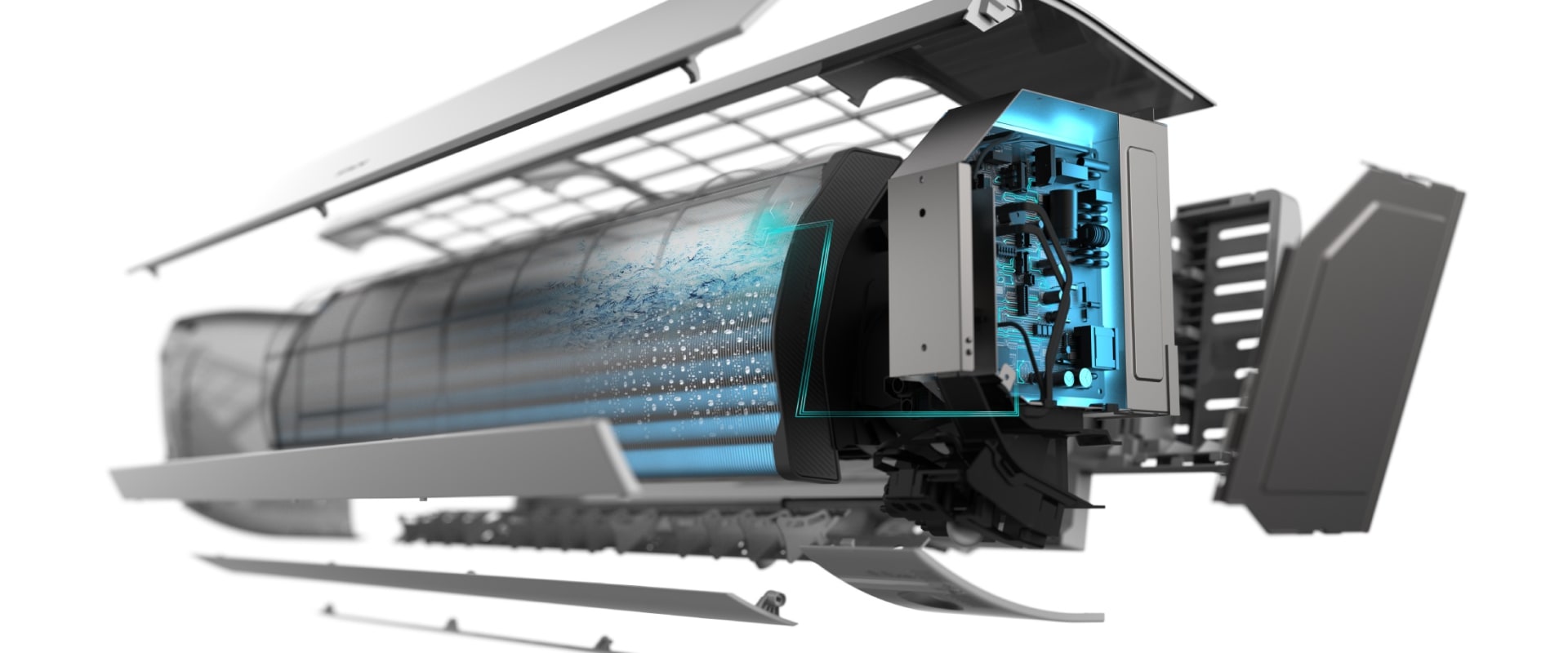
- Evaporator Coil: Situated inside the building, this coil absorbs heat from indoor air. As warm air passes over the evaporator coil, the refrigerant inside absorbs heat and evaporates into a gas, cooling the air that is then circulated back into the room.
- Blower Fan: The blower fan circulates indoor air over the evaporator coil and distributes cooled air throughout the space via ductwork.
- The compressor compresses refrigerant gas, increasing its pressure and temperature.
- The hot gas moves to the condenser, where it releases heat and condenses into a liquid.
- The expansion valve allows this liquid refrigerant to expand and cool before entering the evaporator coil.
- The evaporator coil absorbs heat from indoor air, cooling it down as refrigerant evaporates back into a gas.
- The blower fan circulates this cooled air back into the living space.
Understanding these basic principles of AC operation not only helps in appreciating how these systems work but also aids in troubleshooting common issues that may arise during their use.
Key Components of an Air Conditioning System
Understanding the key components of an air conditioning system is essential for grasping how these units function effectively to maintain a comfortable indoor environment. Each part plays a crucial role in the cooling cycle, working in harmony to ensure optimal performance.1.Evaporator Coil
The evaporator coil is located inside the air conditioning unit and is responsible for absorbing heat from the indoor air. As warm air passes over the coil, the refrigerant within it evaporates, transforming from a liquid to a gas. This process cools the air, which is then circulated back into the living space by a fan.
The efficiency of the evaporator coil is vital; if it becomes dirty or blocked, it can hinder the cooling process and lead to increased energy consumption.
2.Compressor
The compressor, often referred to as the heart of the air conditioning system, is typically located outside. Its primary function is to compress the refrigerant gas that has absorbed heat from inside the building. By increasing the pressure and temperature of this gas, the compressor prepares it for the next stage of the cooling cycle. A well-functioning compressor is essential for maintaining efficient operation; any issues can lead to inadequate cooling and higher energy bills.
3.Condenser
The condenser works in conjunction with the compressor and is also located outside.
Once the refrigerant gas exits the compressor, it flows into the condenser, where it releases heat absorbed from indoors into the outside air. As it cools down, the refrigerant condenses back into a liquid state. This process is crucial for completing the cooling cycle and ensuring that heat is effectively expelled from your home.
4.Refrigerant
The refrigerant is a specialized fluid that circulates through the entire air conditioning system, facilitating heat transfer. It changes states between liquid and gas as it moves through various components, absorbing heat indoors and releasing it outdoors.
The choice of refrigerant can impact both efficiency and environmental considerations; modern systems often use eco-friendly options that minimize ozone depletion.In summary, each component of an air conditioning system—the evaporator coil, compressor, condenser, and refrigerant—plays a vital role in ensuring effective cooling. Understanding these parts not only helps in troubleshooting potential issues but also emphasizes the importance of regular maintenance to keep your system running smoothly.
The Refrigeration Cycle Explained
The refrigeration cycle is the fundamental process that enables air conditioning systems to cool indoor spaces effectively. This cycle involves four main components: the evaporator, compressor, condenser, and expansion valve. Understanding how these components work together is essential for grasping the science behind AC operation.1.Evaporation: Absorbing Heat
The cycle begins in the evaporator, where the refrigerant, a special fluid with low boiling points, enters as a low-pressure liquid.
As warm air from the indoor environment passes over the evaporator coils, the refrigerant absorbs heat from this air. This heat absorption causes the refrigerant to evaporate and transform into a low-pressure vapor. The result is a drop in temperature of the air circulating through your home, providing that refreshing coolness we all appreciate.
2.Compression: Raising Pressure
Next, the low-pressure vapor moves to the compressor, which is typically located outside the building. The compressor's role is to compress this vapor, raising its pressure and temperature significantly.
This process is crucial because it prepares the refrigerant for the next stage of the cycle. The high-pressure vapor now contains a significant amount of heat energy.
3.Condensation: Releasing Heat
After compression, the hot, high-pressure vapor flows into the condenser coils. Here, it is exposed to cooler outdoor air or water. As this vapor releases its heat to the outside environment, it condenses back into a high-pressure liquid.
This phase change is vital as it expels unwanted heat from inside your home to the outside atmosphere.
4.Expansion: Reducing Pressure
The final step in the refrigeration cycle involves passing the high-pressure liquid refrigerant through an expansion valve. This valve reduces the pressure of the refrigerant, allowing it to expand and cool rapidly as it re-enters the evaporator. This drop in pressure prepares it to absorb heat once again from indoor air, thus completing the cycle.In summary, the refrigeration cycle operates on basic principles of thermodynamics and fluid mechanics. By continuously cycling through these four stages—evaporation, compression, condensation, and expansion—air conditioning systems can effectively remove heat from indoor spaces and maintain comfortable temperatures.
Types of Air Conditioning Systems
When it comes to air conditioning, understanding the different types of systems available can help you make an informed decision based on your specific needs.Each type of air conditioning system has its own unique features, advantages, and ideal applications. Below, we explore the most common types of air conditioning systems: central AC, split system AC, and portable AC.
Central Air Conditioning
Central air conditioning
systems are designed to cool entire homes or large commercial spaces efficiently. These systems consist of a central unit that cools the air and distributes it through a network of ducts. The main components include:
- Compressor: Located outside, it compresses refrigerant gas and circulates it through the system.
- Evaporator Coil: Found inside the home, it absorbs heat from the indoor air.
- Ductwork: A series of ducts that transport cooled air to various rooms.
However, installation can be more complex and costly compared to other systems.
Split System Air Conditioning
Split system AC
units are popular for their flexibility and efficiency. These systems consist of two main components: an indoor unit and an outdoor unit. The indoor unit is typically mounted on a wall or ceiling and contains the evaporator coil, while the outdoor unit houses the compressor and condenser. Key benefits include:
- Zoning Capability: Split systems allow for temperature control in individual rooms or zones.
- Energy Efficiency: Many models come with high SEER ratings, which can lead to lower energy bills.
- Quiet Operation: The outdoor unit operates away from living spaces, reducing noise indoors.
Portable Air Conditioning
Portable air conditioners
offer a convenient solution for cooling smaller spaces or for temporary use.
These units are self-contained and can be moved from room to room as needed. They typically feature:
- Easy Installation: Most portable units require minimal setup, often just needing a window kit for venting hot air outside.
- Space-Saving Design: Their compact size makes them ideal for apartments or small rooms.
- No Permanent Installation: Perfect for renters or those who do not want to commit to a permanent system.
Energy Efficiency in Air Conditioning
As the demand for air conditioning systems continues to rise, understanding energy efficiency becomes increasingly important. Not only does it contribute to lower utility bills, but it also plays a significant role in reducing environmental impact.One of the key metrics used to evaluate the energy efficiency of air conditioning units is the Seasonal Energy Efficiency Ratio (SEER) .
What is SEER?
SEER is a measure that indicates the cooling output of an air conditioning system over a typical cooling season divided by the total electric energy input during that same period. The higher the SEER rating, the more efficient the unit is at converting electricity into cooling power. For instance, a unit with a SEER rating of 16 will use less energy to cool your home compared to one with a SEER rating of 12.In recent years, advancements in technology have led to the development of units with SEER ratings exceeding 20, which can significantly reduce energy consumption. When shopping for an air conditioner, it’s advisable to look for models that meet or exceed the minimum SEER requirements set by the U.
S. Department of Energy.
Energy-Saving Tips for Air Conditioning
- Regular Maintenance: Schedule annual maintenance checks to ensure your system operates efficiently. Clean or replace filters regularly to improve airflow and efficiency.
- Smart Thermostats: Invest in a programmable or smart thermostat that can adjust temperatures based on your schedule, reducing unnecessary cooling when you’re not home.
- Seal Ducts: Inspect and seal any leaks in your ductwork to prevent cool air from escaping, which can lead to increased energy consumption.
- Use Ceiling Fans: Ceiling fans can help circulate cool air more effectively, allowing you to set your thermostat a few degrees higher without sacrificing comfort.
- Insulation: Ensure your home is well-insulated to keep cool air in and hot air out. This reduces the workload on your AC unit.
Making informed choices not only enhances comfort but also contributes to a more sustainable future.
Common Issues and Maintenance Tips for AC Units
Air conditioning units are essential for maintaining a comfortable indoor environment, especially during the sweltering summer months. However, like any mechanical system, they can encounter issues that may hinder their performance. Understanding common problems and implementing effective maintenance strategies can significantly enhance the lifespan and efficiency of your AC unit.Common AC Problems
- Insufficient Cooling: One of the most frequent complaints is that the AC unit fails to cool the space adequately. This can be caused by a dirty air filter, low refrigerant levels, or issues with the compressor.
- Strange Noises: Unusual sounds such as grinding, squealing, or rattling can indicate mechanical problems.
These noises may stem from loose components or failing parts that require immediate attention.
- Frequent Cycling: If your AC turns on and off frequently, it may be a sign of an oversized unit or a malfunctioning thermostat. This not only affects comfort but can also lead to increased energy bills.
- Water Leaks: Excess moisture around the unit can indicate a clogged drain line or a refrigerant leak. Both issues need prompt resolution to prevent water damage and mold growth.
AC Maintenance Tips
Regular maintenance is crucial for preventing these common issues and ensuring your air conditioning system operates efficiently. Here are some practical tips:- Change Filters Regularly: Replace or clean air filters every 1-3 months to maintain airflow and improve indoor air quality.
- Schedule Professional Inspections: Have a qualified technician inspect your AC unit at least once a year.
They can identify potential problems before they escalate and ensure all components are functioning correctly.
- Keep Outdoor Units Clear: Ensure that the area around your outdoor condenser unit is free from debris, plants, and other obstructions to allow for proper airflow.
- Check Thermostat Settings: Regularly verify that your thermostat is functioning correctly and set to the desired temperature. Consider upgrading to a programmable thermostat for enhanced efficiency.
The Future of Air Conditioning Technology
As we look to the future of air conditioning technology, several exciting trends are emerging that promise to enhance efficiency, comfort, and environmental sustainability. The integration of smart technology into air conditioning systems is at the forefront of this evolution.Smart Air Conditioning Systems
Smart air conditioning systems utilize advanced technology to optimize performance and energy consumption. These systems can be controlled remotely via smartphones or tablets, allowing users to adjust settings from anywhere.Features such as programmable thermostats enable homeowners to set schedules that align with their daily routines, ensuring that the AC operates only when needed.Moreover, many smart systems are equipped with sensors that detect occupancy and adjust cooling accordingly. This not only enhances comfort but also significantly reduces energy waste. For instance, if a room is unoccupied, the system can automatically raise the temperature, conserving energy without sacrificing comfort when residents return.
Eco-Friendly Refrigerants
Another critical aspect of the future of air conditioning technology is the shift towards eco-friendly refrigerants. Traditional refrigerants, such as R-22 and R-410A, have been found to contribute to ozone depletion and global warming.In response, manufacturers are developing alternatives that have a lower environmental impact.Refrigerants like R-32 and R-454B are gaining popularity due to their lower global warming potential (GWP). These substances not only perform efficiently but also align with international regulations aimed at phasing out harmful chemicals. The transition to these eco-friendly options is essential for reducing the carbon footprint of air conditioning systems.
Energy Efficiency Innovations
In addition to smart technology and eco-friendly refrigerants, innovations in energy efficiency are shaping the future of air conditioning. New designs focus on improving heat exchange processes and minimizing energy loss.For example, variable speed compressors can adjust their output based on cooling demand, leading to significant energy savings compared to traditional fixed-speed models.Furthermore, advancements in insulation materials and building design are complementing these technologies by enhancing overall energy efficiency in homes and commercial buildings. As a result, the future of air conditioning is not just about cooling; it’s about creating sustainable environments that prioritize both comfort and ecological responsibility.
Frequently Asked Questions about Air Conditioning Operation
Understanding the operation of air conditioning systems can often lead to a myriad of questions. Below are some of the most frequently asked questions regarding AC operation, along with clear and concise answers to help demystify this essential technology.What is the primary function of an air conditioner?
The main purpose of an air conditioner is to regulate indoor temperature and humidity levels. It does this by removing heat from the indoor air and transferring it outside, thereby cooling the space.Additionally, air conditioners help filter out pollutants and allergens, improving indoor air quality.
How does an air conditioner cool the air?
An air conditioner cools the air through a process known as refrigeration. This involves a refrigerant that absorbs heat from the indoor air as it evaporates in the evaporator coil. The compressor then circulates this refrigerant to the condenser coil, where it releases the absorbed heat outside, allowing the refrigerant to return to its liquid state and repeat the cycle.Why is my air conditioner not cooling effectively?
- Dirty Filters: Clogged filters can restrict airflow, making it difficult for your AC to cool effectively. Regularly check and replace filters as needed.
- Refrigerant Issues: Low refrigerant levels due to leaks can hinder cooling performance.
If you suspect a refrigerant issue, contact a professional technician.
- Thermostat Settings: Ensure your thermostat is set correctly. Sometimes, simple adjustments can resolve cooling issues.
- Blocked Vents: Ensure that vents are not obstructed by furniture or other objects, which can impede airflow.
How often should I service my air conditioning unit?
It is recommended to have your air conditioning system serviced at least once a year, ideally before the cooling season begins. Regular maintenance helps ensure optimal performance, extends the lifespan of your unit, and can prevent costly repairs down the line.What are some signs that my AC needs repair?
- Unusual Noises: Sounds like grinding or squealing may indicate mechanical issues.
- Increased Energy Bills: A sudden spike in energy costs could suggest inefficiency in your system.
- Ineffective Cooling: If certain rooms are warmer than others or if your AC struggles to maintain set temperatures, it may need attention.
Conclusion: The Importance of Understanding AC Operation
In conclusion, understanding the operation of air conditioning systems is essential for anyone who relies on these units for comfort, especially during the sweltering summer months. Throughout this guide, we have explored the intricate mechanisms that allow air conditioners to function effectively, from the initial intake of warm air to the final distribution of cool air throughout a space.One of the key takeaways is the importance of the refrigeration cycle , which is at the heart of AC operation.This cycle involves several critical components, including the compressor, condenser, evaporator, and expansion valve. Each part plays a vital role in ensuring that heat is efficiently removed from indoor air and expelled outside, allowing for a comfortable indoor environment.Moreover, recognizing how factors such as humidity and temperature affect AC performance can lead to better usage practices. For instance, maintaining optimal thermostat settings and ensuring regular maintenance can significantly enhance energy efficiency and prolong the lifespan of your unit.Additionally, understanding your specific air conditioning system—whether it’s a central unit or a split system—can empower you to make informed decisions regarding repairs and upgrades. Knowledge about your system's operation not only aids in troubleshooting common issues but also helps in optimizing its performance for energy savings.Finally, as technology continues to evolve, staying informed about advancements in air conditioning systems can provide opportunities for improved comfort and efficiency.
Modern units often come equipped with smart technology that allows for remote control and monitoring, further enhancing user experience.In summary, a comprehensive understanding of AC operation is not just beneficial; it is crucial for maximizing comfort and efficiency in your living or working space. By applying this knowledge, you can ensure that your air conditioning system operates at its best, providing you with a cool refuge from the heat while also being mindful of energy consumption.