In today's world, the significance of air conditioning cannot be overstated. As temperatures rise and humidity levels fluctuate, maintaining a comfortable indoor environment has become essential for both residential and commercial spaces. The operation of an air conditioning system is a marvel of engineering that combines various physical principles to create a refreshing atmosphere, regardless of the weather outside. Understanding how AC operation works not only enhances our appreciation for this technology but also empowers us to make informed decisions regarding its maintenance and efficiency.The core of any air conditioning system lies in its ability to manipulate heat through a series of intricate processes.
These processes work in harmony to transfer heat from the interior of a building to the outside, effectively cooling the indoor air. By grasping the fundamentals of how air conditioning works, we can better understand the importance of each component involved in this cycle. From the compressor that pressurizes refrigerant to the evaporator that absorbs heat, every part plays a vital role in ensuring optimal performance.Moreover, as we delve deeper into the four essential processes of air conditioning—compression, condensation, expansion, and evaporation—we will uncover how these stages interact to create a seamless flow of cool air. This knowledge not only aids in troubleshooting potential issues but also highlights the importance of regular maintenance to keep systems running efficiently.
Whether you are a homeowner looking to enhance your comfort or a business owner aiming to provide a pleasant environment for customers and employees, understanding air conditioning processes is key to achieving your goals.
The Compression Process
The compression process is the first and one of the most critical stages in the operation of an air conditioning system. This process begins with the compressor, a vital component that plays a significant role in the refrigeration cycle. The primary function of the compressor is to increase the pressure and temperature of the refrigerant, transforming it from a low-pressure gas into a high-pressure gas.When the refrigerant enters the compressor, it is in a gaseous state at low pressure and temperature. The compressor then compresses this gas, which involves reducing its volume while simultaneously increasing its pressure.This transformation is essential for the refrigerant to effectively circulate through the air conditioning system.There are several types of compressors used in air conditioning systems, including:
- Reciprocating Compressors: These use pistons driven by a crankshaft to compress the refrigerant. They are known for their efficiency and reliability.
- Scroll Compressors: Utilizing two spiral-shaped scrolls, these compressors compress the refrigerant in a more continuous flow, resulting in quieter operation and higher efficiency.
- Screw Compressors: These feature two interlocking screws that compress the refrigerant as it moves through the system. They are often used in larger commercial systems due to their ability to handle high volumes.
This high-pressure gas is then directed towards the condenser coil, where it will release heat and change state from a gas to a liquid.The efficiency of this compression process is crucial for the overall performance of an air conditioning system. If the compressor is not functioning optimally, it can lead to inadequate cooling and increased energy consumption. Regular maintenance and timely repairs can help ensure that the compressor operates efficiently, prolonging the lifespan of your air conditioning unit.In summary, understanding how compressors work and their role in refrigerant compression is essential for anyone looking to maintain or troubleshoot their air conditioning system. By ensuring that this first step in the cooling cycle functions correctly, homeowners can enjoy a comfortable indoor environment even during the hottest months.
The Condensation Process
The condensation process is a critical phase in the operation of an air conditioning system, where the refrigerant transitions from a gaseous state to a liquid state.This transformation occurs within the condenser, a vital component that plays a significant role in cooling indoor air.When the refrigerant exits the compressor, it is in a high-pressure, high-temperature gaseous form. As this gas enters the condenser, it encounters cooler air or water, depending on the type of system. The primary function of the condenser is to facilitate heat exchange, allowing the refrigerant to release the heat it has absorbed from inside the home.
How Condensers Work
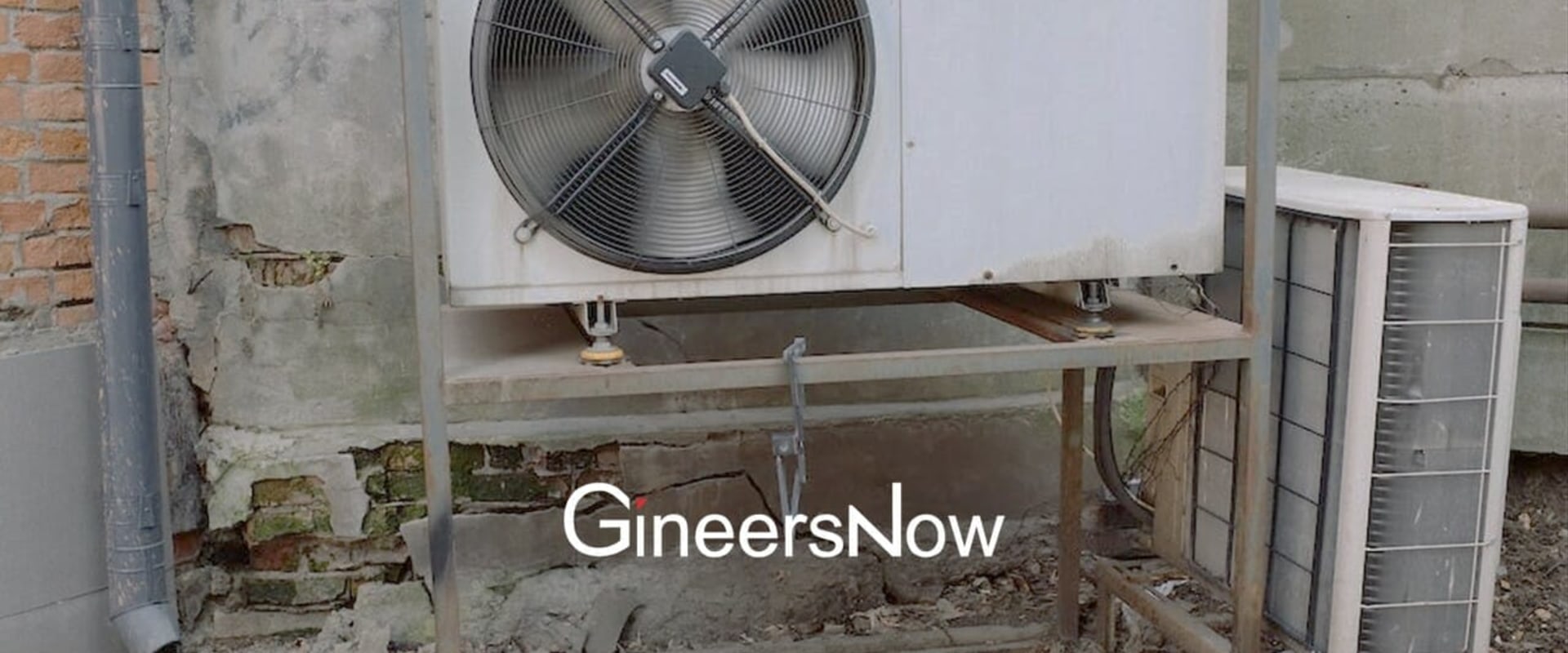
In most air conditioning systems, condensers are designed as either air-cooled or water-cooled units. In an air-cooled condenser , ambient air is drawn over the coils by a fan.This airflow helps to dissipate heat from the refrigerant, causing it to cool down and condense into a liquid. Conversely, in a water-cooled condenser , water circulates through the coils, absorbing heat from the refrigerant and carrying it away.As the refrigerant cools, it undergoes a phase change. The high-pressure gas loses energy and condenses into a liquid at high pressure. This process is essential because it prepares the refrigerant for its next journey through the system.
The liquid refrigerant then flows into an expansion device, where its pressure is reduced before entering the evaporator coil.
The Role of Refrigerant Condensation
The efficiency of an air conditioning system heavily relies on effective condensation. If the condenser fails to operate properly, it can lead to several issues:- Increased Energy Consumption: A malfunctioning condenser forces the compressor to work harder, leading to higher energy bills.
- Reduced Cooling Efficiency: Inadequate heat removal means that less cool air is circulated indoors.
- Potential System Damage: Over time, excessive pressure buildup can cause severe damage to components within the AC system.
The Expansion Process
The expansion process is a critical phase in the air conditioning cycle, where the refrigerant undergoes a significant transformation that enables it to absorb heat effectively.This process begins when the refrigerant, having completed its journey through the condenser, enters the expansion valve as a high-pressure liquid. The primary function of the expansion valve is to regulate the flow of refrigerant into the evaporator coil while simultaneously reducing its pressure.As the refrigerant passes through the expansion valve, it experiences a rapid drop in pressure. This pressure drop is essential because it allows the refrigerant to expand and cool down significantly. The cooling effect occurs due to the principles of thermodynamics, specifically the Joule-Thomson effect, which states that when a gas expands, it absorbs heat from its surroundings. This process begins when the refrigerant, having completed its journey through the condenser, enters the expansion valve as a high-pressure liquid. The primary function of the expansion valve is to regulate the flow of refrigerant into the evaporator coil while simultaneously reducing its pressure.As the refrigerant passes through the expansion valve, it experiences a rapid drop in pressure. This pressure drop is essential because it allows the refrigerant to expand and cool down significantly. The cooling effect occurs due to the principles of thermodynamics, specifically the Joule-Thomson effect, which states that when a gas expands, it absorbs heat from its surroundings.
Consequently, as the refrigerant expands, it transforms from a high-pressure liquid into a low-pressure mixture of liquid and vapor.This two-phase mixture is crucial for the next stage of the refrigeration cycle—the evaporation process. The low-pressure refrigerant then enters the evaporator coil, where it will absorb heat from the indoor air, cooling it before circulating back into your home.
How Expansion Valves Work
Expansion valves come in various types, including thermostatic expansion valves (TXV) , electronic expansion valves (EEV), and fixed orifice valves. Each type operates on similar principles but has distinct mechanisms for controlling refrigerant flow:- Thermostatic Expansion Valves (TXV): These valves adjust their opening based on the temperature of the refrigerant leaving the evaporator. This ensures optimal flow and efficiency.
- Electronic Expansion Valves (EEV): EEVs use electronic sensors to monitor system conditions and adjust refrigerant flow dynamically, providing precise control over cooling performance.
- Fixed Orifice Valves: These valves have a set opening size and do not adjust based on system conditions.
They are simpler but less efficient in varying load conditions.
The Evaporation Process
The evaporation process is a critical component of air conditioning systems, playing a vital role in maintaining a comfortable indoor environment. This process occurs within the evaporator coil, where the refrigerant undergoes a phase change from liquid to gas, absorbing heat from the surrounding air in the process.When warm air from your home is drawn into the air conditioning unit, it passes over the evaporator coil.The refrigerant inside the coil is at a low pressure and temperature, allowing it to absorb heat effectively. As the warm air flows over the coil, the refrigerant absorbs this heat, causing it to evaporate and transform into a gas. This phase change is essential because it allows the refrigerant to carry away heat from your living space.Here’s how the evaporation process works in detail:
- Heat Absorption: The refrigerant enters the evaporator coil as a low-pressure liquid. As warm air circulates over the coil, heat is transferred from the air to the refrigerant.
This heat absorption causes the refrigerant to boil and evaporate.
- Cooling Effect: As the refrigerant absorbs heat, it cools down the air that passes over the coil. This cooled air is then circulated back into your home, providing relief from high temperatures.
- Phase Change: The transformation of refrigerant from liquid to gas is crucial for effective cooling. This phase change allows for efficient heat transfer, making it possible for your AC system to maintain desired indoor temperatures.
Regular maintenance, including cleaning or replacing filters and ensuring proper airflow, is essential for optimal operation.In summary, the evaporation process is fundamental to how air conditioners function. By absorbing heat from indoor air and converting refrigerant into gas, evaporators play an indispensable role in creating a comfortable living environment. Understanding this process can help homeowners appreciate their AC systems better and recognize when maintenance may be needed.
The Refrigeration Cycle: A Continuous Loop
The refrigeration cycle is the backbone of any air conditioning system, functioning as a closed loop that continuously circulates refrigerant to maintain a comfortable indoor environment. This cycle consists of four essential processes: compression, condensation, expansion, and evaporation.Each of these processes plays a vital role in ensuring that the system operates efficiently and effectively.At the heart of this cycle is the compressor , which initiates the process by compressing the refrigerant gas. This action increases both the pressure and temperature of the refrigerant, transforming it into a high-energy vapor. The compressor's role is crucial as it propels the refrigerant through the system, ensuring that it reaches the condenser.Once the refrigerant enters the condenser , it releases heat to the outside environment. This heat exchange occurs as air from outside is blown over the condenser coils, allowing the refrigerant to cool down and change state from a gas to a liquid.
This phase is essential for removing heat from inside your home, making way for cooler air to circulate.The next step in the refrigeration cycle involves the expansion valve , which regulates the flow of refrigerant into the evaporator. As the high-pressure liquid refrigerant passes through this valve, it experiences a sudden drop in pressure, causing it to expand and cool significantly. This cooling effect is critical for preparing the refrigerant for its next phase.Finally, in the evaporator , the refrigerant absorbs heat from indoor air, cooling it down before it is circulated back into your living space. The evaporator coil allows warm air from your home to pass over its surface, where heat is transferred to the refrigerant.
As a result, the refrigerant evaporates back into a gas, completing the cycle.This continuous loop of processes ensures that your air conditioning system can effectively remove heat from your home while maintaining optimal indoor temperatures. Understanding how these components interact within this closed loop system can help homeowners appreciate their air conditioning systems better and recognize when maintenance or repairs may be necessary.
Common Issues and Maintenance Tips for AC Systems
Maintaining your air conditioning system is crucial for ensuring its efficiency and longevity. Regular upkeep can prevent common issues that may arise, allowing you to enjoy a comfortable indoor environment without unexpected breakdowns. Here are some common AC issues and essential maintenance tips to keep your system running smoothly.Common AC Issues
- Insufficient Cooling: If your AC is not cooling effectively, it could be due to a dirty air filter, low refrigerant levels, or issues with the compressor.
Regularly check and replace filters every 1-3 months to maintain airflow.
- Strange Noises: Unusual sounds such as grinding, squealing, or rattling can indicate mechanical problems. These noises may stem from loose components or worn-out parts that require immediate attention.
- Frequent Cycling: If your AC turns on and off frequently, it may be a sign of an oversized unit or a malfunctioning thermostat. This can lead to increased energy bills and wear on the system.
- Water Leaks: Excess moisture around the unit can indicate a clogged drain line or a refrigerant leak. Addressing these issues promptly can prevent water damage and mold growth.
Maintenance Tips
- Regular Filter Changes: As mentioned, changing your air filter regularly is one of the simplest yet most effective maintenance tasks.
A clean filter improves airflow and efficiency.
- Schedule Professional Inspections: Have a qualified technician inspect your system at least once a year. They can identify potential problems before they escalate and ensure that all components are functioning correctly.
- Clean the Coils: Dust and debris can accumulate on the evaporator and condenser coils, reducing efficiency. Clean these coils annually to maintain optimal heat exchange.
- Check the Thermostat: Ensure your thermostat is functioning correctly and is calibrated accurately. Consider upgrading to a programmable thermostat for better energy management.
Conclusion: Mastering AC Operation for Optimal Comfort
In conclusion, mastering the intricacies of AC operation is essential for ensuring a comfortable and efficient indoor environment.Throughout this article, we have explored the four fundamental processes that drive air conditioning systems: compression, condensation, expansion, and evaporation. Each of these stages plays a vital role in the overall functionality of your air conditioning unit, and understanding them can empower homeowners to make informed decisions regarding maintenance and troubleshooting.By recognizing how the compressor increases the pressure of the refrigerant, transforming it into a high-temperature gas, you can appreciate the importance of this component in initiating the cooling cycle. The subsequent condensation phase, where heat is expelled and the refrigerant changes into a liquid state, is crucial for effective heat transfer. This process not only cools your home but also ensures that the refrigerant is prepared for its next journey through the system.The expansion valve then allows the refrigerant to drop in pressure, facilitating its transition into a cold liquid.
This phase is critical as it sets the stage for the final process: evaporation. Here, the refrigerant absorbs heat from indoor air, providing that refreshing coolness we all seek during hot summer months.Understanding these processes not only enhances your knowledge of how your air conditioning system operates but also equips you with the tools to identify potential issues before they escalate. Regular maintenance checks can help ensure that each component functions optimally, prolonging the lifespan of your unit and improving energy efficiency.In summary, a well-functioning air conditioning system is more than just a luxury; it is a necessity for maintaining comfort in our homes. By mastering the fundamentals of AC operation, you can take proactive steps to ensure your system runs smoothly and efficiently, providing you with a cool refuge from the heat.