Understanding the intricacies of AC operation is essential for anyone looking to maintain a comfortable indoor environment, especially during the sweltering summer months. Air conditioning systems are not merely luxury items; they play a crucial role in enhancing our quality of life by regulating indoor temperatures and humidity levels. The process of air conditioning involves a series of well-coordinated steps that work together to cool and dehumidify the air, ensuring that our homes and workplaces remain pleasant and conducive to daily activities.The air conditioning process is a fascinating blend of physics and engineering, where heat is transferred from one location to another through the manipulation of refrigerants. This cycle not only cools the air but also removes excess moisture, which can lead to discomfort and even health issues if left unchecked.
By grasping the fundamentals of how these systems operate, homeowners can make informed decisions regarding maintenance, troubleshooting, and upgrades, ultimately leading to improved efficiency and longevity of their cooling systems.In this article, we will delve into the four essential steps involved in the air conditioning cycle. Each step plays a pivotal role in ensuring that your system operates smoothly and effectively. From the initial absorption of heat to the final release of cool air back into your living space, understanding these stages will empower you to appreciate the technology behind your comfort. Whether you are a seasoned HVAC professional or a curious homeowner, this exploration will provide valuable insights into the mechanics of your cooling system.
Step 1: The Evaporator Coil
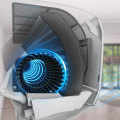
The evaporator coil plays a pivotal role in the air conditioning process, serving as the first step in the cooling cycle.Located within the indoor unit of your AC system, this component is designed to absorb heat from the air inside your home, effectively lowering the temperature and enhancing comfort.When warm air is drawn into the system by the fan, it passes over the evaporator coil, which is filled with a cold refrigerant. This refrigerant is in a liquid state and has been cooled down during the previous cycle. As the warm air flows over the coil, heat is transferred from the air to the refrigerant through a process known as heat exchange .The design of the evaporator coil is crucial for its efficiency. Typically made of copper or aluminum, these coils feature a series of fins that increase their surface area.
This design allows for maximum exposure to airflow, ensuring that heat transfer occurs efficiently. The more surface area available, the more heat can be absorbed from the air, leading to a more effective cooling process.As heat is absorbed by the refrigerant, it causes the refrigerant to evaporate and change from a liquid to a gas. This phase change is essential because it allows the refrigerant to carry away heat from your indoor environment. The cooler air that results from this process is then circulated back into your living space through ducts or vents.In summary, the evaporator coil is not just a passive component; it actively participates in cooling your home by absorbing heat and facilitating the phase change of refrigerants.
Understanding its function and significance can help homeowners appreciate their AC systems better and recognize the importance of regular maintenance to ensure optimal performance.
Step 2: The Expansion Chamber
After the refrigerant has absorbed heat from the indoor air in the evaporator coil, it moves to the next crucial component of the air conditioning system: the expansion chamber. This step is vital for preparing the refrigerant for its next phase in the cooling cycle.The primary function of the expansion chamber is to allow the refrigerant to expand and lose pressure. This process is essential because it transforms the refrigerant from a high-pressure liquid into a low-pressure gas, which is necessary for effective heat absorption in the evaporator coil. The expansion process occurs through an endothermic reaction , where the refrigerant absorbs heat from its surroundings, leading to a drop in temperature.As the refrigerant enters the expansion chamber, it passes through an expansion valve.This valve plays a critical role in regulating the flow of refrigerant into the evaporator. There are various types of expansion valves, including:
- Thermostatic Expansion Valves (TXV): These valves adjust the flow based on the temperature of the refrigerant, ensuring optimal performance.
- Electronic Expansion Valves (EEV): These use electronic sensors to control refrigerant flow more precisely, enhancing efficiency.
- Fixed Orifice Valves: These provide a constant flow rate and are simpler in design but less adaptable to varying conditions.
The result is that as it exits the expansion chamber, it is now a low-pressure gas that is ready to enter the evaporator coil once again.This cycle of expansion and compression is what enables air conditioning systems to effectively cool indoor spaces. Understanding how the expansion chamber functions not only highlights its importance in AC operation but also emphasizes why regular maintenance of these components is essential for optimal performance.
Step 3: The Compressor
The compressor is a vital component in the air conditioning (AC) system, playing a crucial role in the refrigeration cycle. Its primary function is to increase the pressure of the refrigerant, which is essential for the effective transfer of heat. By compressing the refrigerant, the compressor ensures that it can absorb heat from inside your home and release it outside, maintaining a comfortable indoor environment.When the refrigerant enters the compressor, it is in a low-pressure gaseous state.The compressor then compresses this gas, raising its pressure and temperature. This transformation is critical because it prepares the refrigerant for the next stage of the cooling cycle—the condenser. The high-pressure gas that exits the compressor is then routed to the condenser coils, where it will release its heat to the outside air.
Types of Compressors
There are several types of compressors used in AC systems, each with its unique design and operational characteristics:- Reciprocating Compressors: These compressors use a piston-driven mechanism to compress the refrigerant. They are known for their efficiency and reliability, making them a popular choice for residential air conditioning systems.
- Scroll Compressors: Featuring two spiral-shaped scrolls, one stationary and one moving, these compressors are quieter and more efficient than reciprocating types.
They are commonly found in modern AC units due to their compact size and reduced vibration.
- Screw Compressors: These utilize two interlocking screws to compress the refrigerant. They are typically used in larger commercial systems due to their ability to handle high volumes of refrigerant efficiently.
- Centrifugal Compressors: Using a rotating impeller, these compressors are designed for large-scale applications. They are highly efficient at moving large amounts of refrigerant but are less common in residential systems.
How Compressors Work in AC Systems
The operation of a compressor can be broken down into several key phases:- Intake: The low-pressure refrigerant gas enters the compressor through an intake valve.
- Compression: The compressor's mechanism compresses the gas, increasing its pressure and temperature.
- Discharge: The high-pressure gas exits through a discharge valve and moves on to the condenser.
Regular maintenance and timely repairs can help ensure that your compressor operates at peak performance, prolonging the lifespan of your air conditioning unit.
Step 4: The Condenser
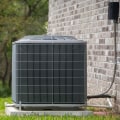
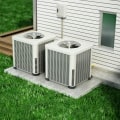
In the air conditioning process, the condenser plays a pivotal role as the final step in the refrigeration cycle. Its primary function is to release the heat absorbed by the refrigerant from inside your home to the outside environment. Understanding how condensers work and their significance in AC operation is essential for anyone looking to maintain an efficient cooling system.The condenser is typically located outside your home and consists of a series of coils or fins that facilitate heat exchange. When the refrigerant exits the compressor, it is in a high-pressure, high-temperature gas state.As this gas flows into the condenser, it encounters cooler outdoor air, which helps to lower its temperature.
How Condensers Work
The process begins when the hot refrigerant gas enters the condenser coils. Here’s a breakdown of how it operates:- Heat Exchange: The hot refrigerant gas releases its heat to the surrounding air as it passes through the coils. This heat transfer occurs due to the temperature difference between the refrigerant and the outdoor air.
- Condensation: As the refrigerant loses heat, it begins to cool down and condense into a liquid state. This phase change is crucial because it prepares the refrigerant for its next journey back into the evaporator.
- Pressure Regulation: The condenser also helps regulate pressure within the system.
By converting gas back into liquid, it maintains optimal pressure levels necessary for efficient operation.
The Refrigeration Cycle: A Continuous Process
The refrigeration cycle is a fundamental concept in understanding how air conditioning systems operate.This cycle consists of four essential steps: evaporation, compression, condensation, and expansion. Each step plays a critical role in the continuous process of cooling indoor spaces, ensuring that your environment remains comfortable even during the hottest days.At the heart of this cycle is the refrigerant , a specialized fluid that circulates through the system, absorbing and releasing heat as it transitions between liquid and gas states. The efficiency of this cycle directly impacts the performance of your air conditioning unit.
1.Evaporation:
The cycle begins with the evaporator coil, where the refrigerant absorbs heat from the indoor air. As warm air passes over the cold evaporator coil, the refrigerant evaporates into a gas, effectively cooling the air that is then circulated back into your home.
2.Compression:
The gaseous refrigerant is then drawn into the compressor, where its pressure and temperature are increased.
This step is crucial as it prepares the refrigerant for the next phase of heat release.
3.Condensation:
The high-pressure gas moves to the condenser coil located outside your home. Here, it releases the absorbed heat to the outside air and condenses back into a liquid state. This process is vital for maintaining a low temperature inside your living space.
4.Expansion:
Finally, the refrigerant passes through an expansion valve, where it experiences a drop in pressure and temperature before returning to the evaporator coil to repeat the cycle.This continuous refrigeration cycle not only ensures effective cooling but also highlights the importance of regular maintenance. Any disruption in this cycle can lead to inefficiencies or system failures, making it essential to keep your air conditioning system in optimal condition.Understanding this interconnected process allows homeowners to appreciate how their air conditioning systems work and why proper care is necessary for long-term performance.
Common Issues and Maintenance Tips for AC Systems
Maintaining your air conditioning system is essential for ensuring its efficiency and longevity.Understanding common issues that can arise during AC operation and knowing how to troubleshoot them can save you time and money. Here are some frequent problems and maintenance tips to keep your system running smoothly.
Common AC Problems
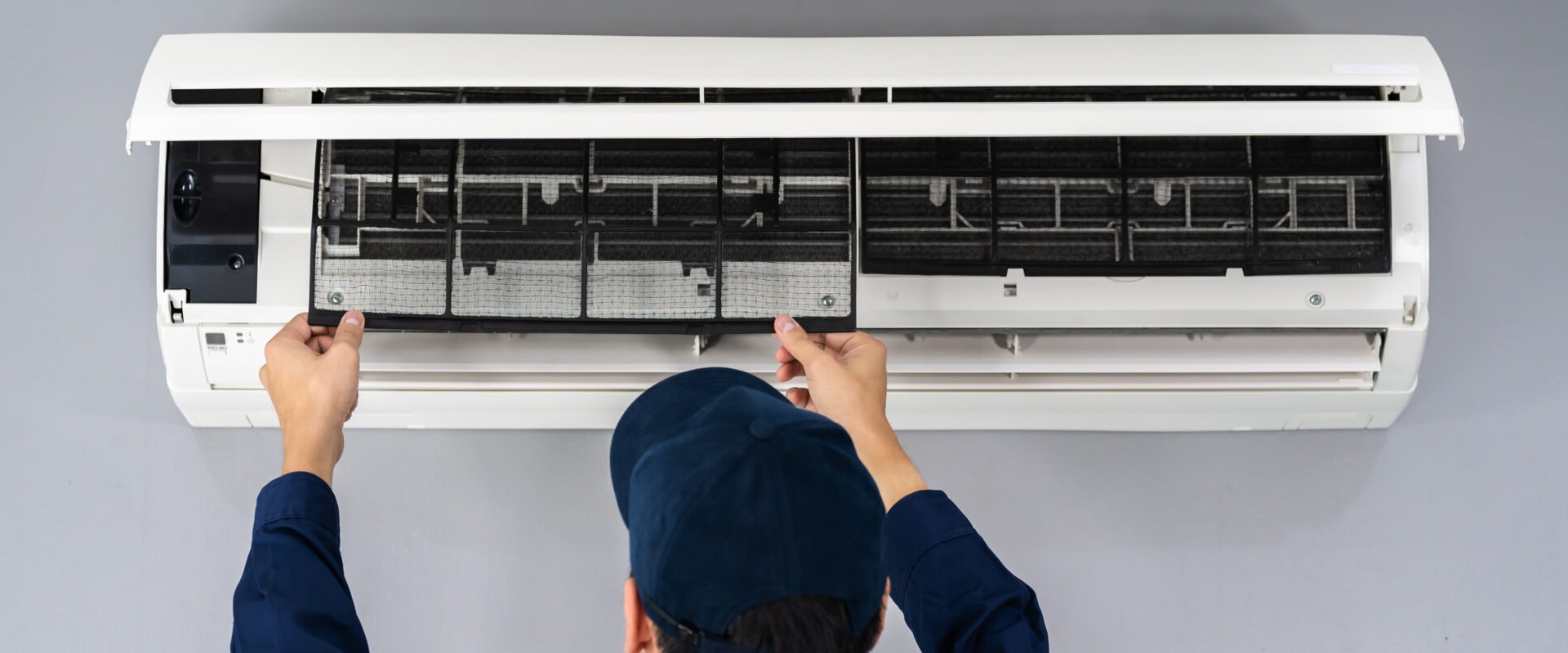
- Insufficient Cooling: If your AC is not cooling effectively, it may be due to a dirty air filter, low refrigerant levels, or issues with the compressor. Regularly check and replace air filters every 1-3 months to maintain airflow.
- Strange Noises: Unusual sounds such as grinding, squealing, or rattling can indicate mechanical issues. These noises may stem from loose components or failing parts that require immediate attention.
- Water Leaks: If you notice water pooling around your AC unit, it could be due to a clogged drain line or a refrigerant leak.
Ensure that the drain line is clear and inspect for any signs of leakage.
- Foul Odors: Bad smells can indicate mold growth in the ducts or a burnt-out wire. If you detect unpleasant odors, it’s crucial to have your system inspected by a professional.
Maintenance Tips
- Regular Filter Changes: Change or clean your air filters regularly to prevent dust and debris buildup, which can hinder airflow and efficiency.
- Annual Professional Inspections: Schedule yearly maintenance checks with a qualified technician to ensure all components are functioning correctly and to catch potential issues early.
- Clear Surrounding Areas: Keep the area around your outdoor unit free from debris, plants, and other obstructions to allow for proper airflow.
- Check Thermostat Settings: Ensure your thermostat is set correctly and functioning properly. Consider upgrading to a programmable thermostat for better energy management.
Conclusion: Mastering AC Operation for Optimal Comfort
In conclusion, mastering the intricacies of AC operation is essential for achieving optimal comfort in your living space.Understanding the four fundamental steps—evaporation, expansion, compression, and condensation—provides a comprehensive framework for how air conditioning systems function. Each step plays a critical role in the overall cooling process, and recognizing their importance can significantly enhance your ability to maintain and troubleshoot your system.By familiarizing yourself with the evaporator coil , you can appreciate how it absorbs heat from the indoor air, effectively lowering the temperature of your home. This initial step is crucial as it sets the stage for the entire cooling cycle. The subsequent expansion chamber allows the refrigerant to expand and cool down, preparing it for the next phase of compression.
Understanding this transition helps you grasp how heat is managed within your system.The compressor serves as the heart of your air conditioning unit, increasing the pressure of the refrigerant and ensuring that it circulates efficiently throughout the system. Recognizing its function can alert you to potential issues that may arise, such as unusual noises or decreased cooling efficiency. Finally, the condenser plays a vital role in releasing absorbed heat outside, completing the cycle and allowing for continuous cooling.Regular maintenance is paramount to ensure that each of these steps operates smoothly. Simple actions like changing filters, cleaning coils, and scheduling professional inspections can prevent minor issues from escalating into costly repairs.
By taking proactive measures, you not only extend the lifespan of your air conditioning system but also enhance its efficiency.In summary, a thorough understanding of AC operation empowers homeowners to make informed decisions regarding their air conditioning systems. Whether it's recognizing when to call a professional or understanding how to optimize performance through regular maintenance, knowledge is key to ensuring a comfortable indoor environment year-round.