In today's fast-paced world, the significance of air conditioning cannot be overstated. As temperatures rise and humidity levels fluctuate, the need for a reliable cooling system has become essential for maintaining comfort in our homes, workplaces, and public spaces. But what exactly is AC? At its core, air conditioning refers to the process of controlling the temperature, humidity, and air quality within an enclosed environment. This technology not only provides relief from oppressive heat but also plays a crucial role in enhancing our overall quality of life.The basics of air conditioning involve a complex interplay of mechanical and thermodynamic principles.
By utilizing a refrigerant that absorbs and releases heat, AC systems can effectively lower indoor temperatures while simultaneously removing excess moisture from the air. This dual function is particularly important in regions with high humidity, where stagnant air can lead to discomfort and health issues. Understanding these fundamental concepts is vital as we delve deeper into the intricacies of AC operation.Moreover, the importance of air conditioning extends beyond mere comfort. It contributes significantly to improved indoor air quality by filtering out pollutants, allergens, and other harmful particles.
This is especially beneficial for individuals with respiratory conditions or allergies. Additionally, a well-functioning AC system can enhance productivity in work environments by creating a more conducive atmosphere for focus and efficiency. As we explore the various aspects of air conditioning in this article, it becomes clear that this technology is not just a luxury but a necessity in modern living.
The Science Behind AC Operation
Understanding how an air conditioning (AC) system operates is essential for appreciating its role in maintaining comfort in our homes and workplaces. At the heart of AC operation lies the refrigeration cycle , a process that efficiently transfers heat from the indoor environment to the outside, resulting in cooler air indoors.The refrigeration cycle consists of four main stages: compression, condensation, expansion, and evaporation.Each stage plays a crucial role in the overall function of the AC system.
1.Compression
The cycle begins with the compressor , which is often referred to as the heart of the AC system. The compressor takes in low-pressure refrigerant gas from the evaporator and compresses it into a high-pressure gas. This process raises both the temperature and pressure of the refrigerant, preparing it for the next stage.2.Condensation
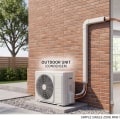
Next, the high-pressure gas flows into the condenser coils , usually located outside the building. Here, the refrigerant releases its heat to the outside air, causing it to cool and condense into a liquid state.This heat exchange is facilitated by a fan that blows air over the condenser coils, enhancing heat dissipation.
3.Expansion
The liquid refrigerant then moves to the expansion valve , where it experiences a drop in pressure. This sudden decrease allows the refrigerant to expand and cool rapidly, transitioning back into a low-pressure gas as it enters the evaporator coils.4.Evaporation
In the evaporator coils, located inside your home, the low-pressure refrigerant absorbs heat from the indoor air. As it absorbs this heat, it evaporates back into a gas, effectively cooling the surrounding air. A fan circulates this cooled air throughout your living space, providing comfort during hot weather.The entire cycle repeats continuously as long as the AC unit is running.Understanding these components—compressor, condenser, expansion valve, and evaporator—helps demystify how AC systems work and highlights their importance in modern climate control.Regular maintenance of these components is vital for optimal performance. Neglecting any part of this cycle can lead to inefficiencies or breakdowns, underscoring why homeowners should prioritize routine checks and servicing of their AC units.
Types of Air Conditioning Systems
When it comes to air conditioning, understanding the different types of systems available can help you make an informed decision based on your specific needs. Each type of air conditioning unit has its own unique features, benefits, and ideal use cases. Below, we categorize the most common types of AC units.Central Air Conditioning
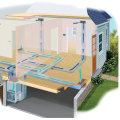
Central air conditioning systems are designed to cool entire homes or large commercial spaces.They consist of a central unit located outside the building, which is connected to a network of ducts that distribute cool air throughout the space. Here are some key features:
- Efficiency: Central AC units are generally more energy-efficient than multiple window units, especially in larger spaces.
- Consistent Temperature: They provide uniform cooling across all rooms, eliminating hot spots.
- Air Quality Control: Many central systems come with advanced filtration options that improve indoor air quality by removing dust, allergens, and pollutants.
Window Air Conditioners
Window AC units are compact systems designed to fit into a window frame. They are perfect for cooling single rooms or small spaces. Here’s what you should know:- Affordability: Window units are generally less expensive to purchase and install compared to central systems.
- Easy Installation: Most window AC units can be installed without professional help, making them a convenient option for renters.
- Space-Saving: These units do not require ductwork and take up minimal space in the room.
Ductless Mini-Split Systems
Ductless mini-split systems offer flexibility and efficiency without the need for ductwork.They consist of an outdoor compressor and one or more indoor air-handling units. Key benefits include:
- Zoned Cooling: Each indoor unit can be controlled independently, allowing for customized temperature settings in different rooms.
- Energy Efficiency: Ductless systems often have higher SEER ratings, which can lead to lower energy bills.
- No Duct Loss: Since there’s no ductwork involved, there’s no energy loss associated with ducted systems.
Portable Air Conditioners
Portable AC units are versatile and can be moved from room to room as needed. They are self-contained systems that typically vent through a window or door. Consider these features:- Mobility: Portable units can be easily relocated, making them perfect for temporary cooling solutions.
- No Permanent Installation Required: They don’t require any permanent installation, which is ideal for renters or those who frequently move.
- Sufficient Cooling Power: Many portable models can effectively cool medium-sized rooms.
Benefits of Air Conditioning
Air conditioning systems offer a multitude of benefits that extend beyond mere temperature control.Understanding these advantages can help homeowners and businesses appreciate the value of investing in quality AC units.
Improved Air Quality
One of the most significant benefits of air conditioning is its ability to enhance indoor air quality. AC units are equipped with filters that trap dust, pollen, and other airborne particles, which can be particularly beneficial for individuals with allergies or respiratory conditions. By circulating and purifying the air, air conditioning systems help create a healthier living environment.Humidity Control
Excess humidity can lead to discomfort and even health issues, such as mold growth and increased allergens. Air conditioning systems effectively reduce humidity levels by removing moisture from the air.This not only makes indoor spaces more comfortable but also helps protect your home from potential damage caused by high humidity.
Enhanced Comfort for Better Sleep
A comfortable sleeping environment is crucial for overall health and well-being. Air conditioning allows you to maintain a cool temperature in your bedroom, which can significantly improve sleep quality. Studies have shown that cooler temperatures promote deeper sleep cycles, helping you wake up feeling refreshed and energized.Increased Productivity
In workplaces, the benefits of air conditioning extend to productivity levels as well. Research indicates that employees perform better in cooler environments.By maintaining a comfortable temperature, businesses can foster a more focused and efficient workforce. This is particularly important in industries where concentration and attention to detail are paramount.
Protection of Electronics and Furniture
High temperatures and humidity can adversely affect electronic devices and furniture. Air conditioning helps regulate indoor climate conditions, protecting valuable items from heat damage and warping due to moisture. This preservation extends the lifespan of your electronics and furnishings, making AC an investment in your home’s longevity.Energy Efficiency
Modern air conditioning systems are designed with energy efficiency in mind.Many units come with programmable thermostats that allow users to set specific cooling schedules, reducing energy consumption when cooling is not needed. This not only lowers utility bills but also contributes to environmental sustainability by reducing energy waste.In summary, the advantages of air conditioning are vast and varied. From improving air quality and controlling humidity to enhancing comfort for better sleep and productivity, AC systems play a vital role in our daily lives. Investing in a reliable air conditioning unit is not just about staying cool; it’s about creating a healthier, more comfortable living or working environment.
Common Issues with AC Units and Troubleshooting Tips
Air conditioning units, while essential for comfort, can encounter a variety of issues over time.Understanding these common problems and knowing how to troubleshoot them can save you time, money, and discomfort during the sweltering summer months.
Common AC Problems
- Insufficient Cooling: One of the most frequent complaints is that the AC unit is not cooling effectively. This can be due to a dirty air filter, low refrigerant levels, or issues with the compressor.
- Strange Noises: Unusual sounds such as grinding, squealing, or rattling can indicate mechanical issues. These noises may stem from loose parts or worn-out components.
- Frequent Cycling: If your AC turns on and off frequently, it could be a sign of an oversized unit or a malfunctioning thermostat. This not only affects comfort but can also lead to increased energy bills.
- Water Leaks: Water pooling around the unit can indicate a clogged drain line or a refrigerant leak.
This issue requires immediate attention to prevent water damage.
- Bad Odors: Foul smells coming from the AC can be a sign of mold growth in the system or burnt-out electrical components.
Troubleshooting Tips
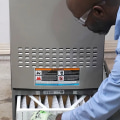
If you encounter any of these issues, here are some troubleshooting tips to consider:- Check the Air Filter: A clogged air filter restricts airflow and reduces efficiency. Replace or clean the filter every 1-3 months to maintain optimal performance.
- Inspect the Thermostat: Ensure that your thermostat is set correctly and functioning properly. If it’s not reading temperatures accurately, consider recalibrating or replacing it.
- Clear Debris: Make sure that the outdoor unit is free from debris such as leaves, dirt, and grass clippings. This allows for proper airflow and cooling efficiency.
- Examine Ductwork: Check for any visible leaks or blockages in your ductwork.
Sealing leaks can significantly improve your system's efficiency.
- Schedule Regular Maintenance: Having a professional inspect your AC unit at least once a year can help identify potential problems before they escalate into costly repairs.
The Importance of Regular Maintenance for AC Units
Regular maintenance of your air conditioning (AC) unit is not just a recommendation; it is a necessity for ensuring optimal performance and extending the lifespan of the system. Just like any other mechanical device, an AC unit requires consistent care to function efficiently and effectively.Why Maintain Your AC?
- Enhanced Efficiency: A well-maintained AC unit operates more efficiently, which can lead to lower energy bills. When components are clean and functioning properly, the system doesn’t have to work as hard to cool your space.
- Prolonged Lifespan: Regular servicing can significantly extend the life of your AC unit.
By addressing minor issues before they escalate into major problems, you can avoid costly replacements.
- Improved Air Quality: Maintenance includes cleaning or replacing filters, which helps remove dust, allergens, and pollutants from the air. This is especially important for individuals with respiratory issues.
- Prevention of Breakdowns: Routine checks can identify potential problems early on, reducing the likelihood of unexpected breakdowns during peak usage times.
AC Maintenance Tips
- Change Filters Regularly: Depending on usage, filters should be changed every 1-3 months. Clogged filters restrict airflow and reduce efficiency.
- Clean Coils: Both the evaporator and condenser coils should be cleaned at least once a year. Dust and debris can accumulate on these coils, hindering heat exchange.
- Check Refrigerant Levels: Low refrigerant levels can indicate leaks or other issues.
Ensure that your refrigerant levels are checked during maintenance visits.
- Inspect Ductwork: Leaks in ductwork can lead to significant energy loss. Regular inspections can help identify and seal these leaks.
- Scheduling Professional Servicing: It’s advisable to have a professional technician service your AC unit at least once a year. They have the expertise to perform comprehensive checks and repairs that may be beyond the scope of DIY maintenance.
Energy Efficiency and Environmental Impact of AC Systems
As the demand for air conditioning (AC) systems continues to rise, understanding their energy efficiency and environmental impact has become increasingly important.Modern AC units are designed with advanced technologies that not only enhance cooling performance but also minimize energy consumption, making them more environmentally friendly.
Energy-Efficient AC Units
Energy-efficient AC units are equipped with features that help reduce electricity usage while maintaining optimal cooling. One of the key metrics to consider when evaluating an AC unit's efficiency is the Seasonal Energy Efficiency Ratio (SEER). This ratio measures the cooling output during a typical cooling season divided by the total electric energy input during the same period. Higher SEER ratings indicate greater efficiency.
- Inverter Technology: Many modern AC systems utilize inverter technology, which allows the compressor to adjust its speed based on the cooling demand.
This results in less energy consumption compared to traditional units that operate at a constant speed.
- Smart Thermostats: Integrating smart thermostats with your AC system can lead to significant energy savings. These devices learn your schedule and preferences, optimizing cooling patterns and reducing unnecessary energy use.
- Proper Sizing: Choosing the right size for your AC unit is crucial. An oversized unit will cycle on and off frequently, leading to higher energy costs, while an undersized unit will struggle to cool effectively.
Environmental Impact of Air Conditioning
The environmental impact of air conditioning systems primarily stems from their energy consumption and the refrigerants used. Traditional refrigerants, such as hydrofluorocarbons (HFCs), have been linked to ozone depletion and global warming.
However, many manufacturers are now transitioning to more eco-friendly alternatives like hydrofluoroolefins (HFOs), which have a lower global warming potential.
Reducing Energy Costs with AC
To further reduce energy costs associated with air conditioning, consider implementing the following strategies:
- Regular Maintenance: Schedule annual maintenance checks to ensure your AC unit operates efficiently. Clean filters, coils, and ducts can significantly improve performance.
- Seal Leaks: Inspect your home for air leaks around windows and doors. Sealing these gaps can prevent cool air from escaping and reduce the workload on your AC system.
- Use Ceiling Fans: Ceiling fans can help circulate cool air more effectively, allowing you to set your thermostat a few degrees higher without sacrificing comfort.
Future Trends in Air Conditioning Technology
As we look to the future, the landscape of air conditioning technology is evolving rapidly, driven by the need for greater efficiency, sustainability, and user-friendly features. The future of air conditioning is not just about cooling spaces; it’s about creating smarter, more integrated systems that enhance comfort while minimizing environmental impact.Smart AC Technology
One of the most significant trends in air conditioning is the rise of smart AC technology.These systems are equipped with advanced sensors and connectivity features that allow users to control their units remotely via smartphones or smart home devices. This capability not only provides convenience but also enables users to optimize energy consumption by adjusting settings based on real-time data.
- Energy Efficiency: Smart AC units can learn user preferences and adjust their operation accordingly, leading to significant energy savings.
- Integration with Home Automation: Many smart AC systems can be integrated with other smart home devices, allowing for seamless control over heating, cooling, and ventilation.
- Predictive Maintenance: These systems can alert users to potential issues before they become serious problems, reducing downtime and repair costs.
Innovations in HVAC Systems
The advancements in HVAC (Heating, Ventilation, and Air Conditioning) systems are also noteworthy. Manufacturers are focusing on developing units that not only cool but also purify the air. Innovations such as air purifying technologies , which include HEPA filters and UV light systems, are becoming standard features in modern AC units.Moreover, the integration of renewable energy sources into air conditioning systems is gaining traction.Solar-powered AC units are being developed to harness solar energy for cooling purposes, significantly reducing reliance on traditional power sources and lowering carbon footprints.As we move forward, the emphasis on sustainability will likely lead to further innovations in refrigerants used in air conditioning systems. The industry is shifting towards eco-friendly refrigerants that have a lower global warming potential (GWP), aligning with global efforts to combat climate change.In conclusion, the future of air conditioning technology promises exciting developments that prioritize efficiency, user experience, and environmental responsibility. As these trends continue to evolve, consumers can expect more intelligent and sustainable solutions that enhance comfort while contributing positively to our planet.
Frequently Asked Questions about Air Conditioning (FAQs)
When it comes to air conditioning, many homeowners and renters have questions about how these systems operate, their maintenance needs, and the best practices for ensuring optimal performance. Below are some of the most frequently asked questions regarding AC operation and maintenance.What is the ideal temperature setting for my AC?
The ideal temperature setting for your air conditioning unit typically ranges between 72°F and 78°F.Setting your thermostat to a higher temperature when you are away can save energy while still keeping your home comfortable when you return.
How often should I change my air filter?
It is recommended to check your air filter every month and replace it at least every 3 months. However, if you have pets or allergies, you may need to change it more frequently to maintain good air quality and system efficiency.Why is my AC not cooling effectively?
If your AC is not cooling as it should, several factors could be at play:- Dirty filters: Clogged filters restrict airflow, making it harder for your system to cool the air.
- Low refrigerant levels: Insufficient refrigerant can hinder the cooling process. This often requires a professional to check and refill.
- Faulty thermostat: If your thermostat is malfunctioning, it may not accurately read the temperature or communicate with the AC unit.
How can I improve the efficiency of my AC?
To enhance the efficiency of your air conditioning system, consider the following tips:- Regular maintenance: Schedule annual professional inspections to catch potential issues early.
- Seal leaks: Ensure that windows and doors are properly sealed to prevent cool air from escaping.
- Use ceiling fans: Ceiling fans can help circulate cool air more effectively, allowing you to set your thermostat a few degrees higher.
What should I do if my AC makes strange noises?
If your AC unit starts making unusual sounds such as grinding, squealing, or banging, it could indicate a mechanical issue. It’s advisable to turn off the unit and contact a professional technician for an inspection to avoid further damage.Understanding these common questions about AC operation can help you maintain your system effectively and ensure a comfortable living environment throughout the year.Conclusion: The Essential Role of Air Conditioning in Modern Life
In summary, the significance of air conditioning (AC) in our daily lives cannot be overstated.As we have explored throughout this article, understanding AC operation is crucial for maximizing comfort and efficiency in our homes and workplaces. The evolution of air conditioning technology has transformed it from a luxury into a necessity, especially in regions where extreme temperatures are prevalent.One of the primary benefits of AC systems is their ability to enhance indoor air quality. By filtering out dust, allergens, and other pollutants, air conditioning units create a healthier living environment. This is particularly important for individuals with respiratory conditions or allergies, as clean air can significantly improve their quality of life.Moreover, the role of AC in regulating humidity levels cannot be overlooked.
High humidity can lead to discomfort and even health issues, making it essential for AC systems to effectively dehumidify indoor spaces. This not only contributes to personal comfort but also helps protect furniture and structural elements from moisture damage.As we have discussed, regular maintenance is vital for ensuring that AC units operate at peak efficiency. Neglecting maintenance can lead to increased energy consumption and costly repairs. By understanding the operational aspects of your AC system, you can take proactive steps to maintain it, ensuring longevity and optimal performance.In conclusion, air conditioning is more than just a means to escape the heat; it is an integral part of modern living that enhances our comfort, health, and productivity.
As we continue to rely on this technology, being informed about how AC operation works empowers us to make better choices regarding our cooling systems. Whether you are considering an upgrade or simply looking to improve your current setup, understanding the fundamentals of air conditioning will lead to a more comfortable and efficient environment.