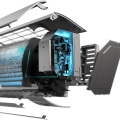
Understanding the intricacies of AC operation is essential for anyone looking to create a comfortable indoor environment. At its core, air conditioning is a process that not only cools the air but also removes excess humidity, making living spaces more enjoyable, especially during the sweltering summer months. The fundamental principle behind air conditioning involves the transfer of heat from the indoor air to the outside, utilizing a refrigerant that circulates through various components of the system.To grasp how air conditioning works, it’s important to familiarize yourself with its key components: the compressor, condenser, expansion valve, and evaporator. The compressor pumps the refrigerant through the system, raising its pressure and temperature.
This hot refrigerant then flows to the condenser, where it releases heat to the outside air and transforms into a liquid. As this liquid refrigerant moves through the expansion valve, it experiences a drop in pressure, allowing it to evaporate and absorb heat from the indoor air in the evaporator coil. This cycle continues, effectively cooling and dehumidifying your home.Moreover, understanding these basic principles of air conditioning can significantly influence your decision-making process when selecting an AC system. Different systems operate on varying technologies and efficiencies, which can impact both comfort levels and energy consumption.
By comprehending how these systems function, you can better assess your specific needs and choose an AC unit that aligns with your lifestyle and budget.In summary, a solid grasp of how air conditioning works lays the groundwork for making informed choices about your cooling options. Whether you are considering a central system or a room unit, knowing the basics of AC operation will empower you to select a system that not only meets your cooling requirements but also enhances your overall living experience.
Types of AC Systems
When it comes to selecting an air conditioning system, understanding the different types available is crucial. Each type of AC system has its own unique features, benefits, and ideal applications. Below, we explore the three primary categories of air conditioning systems: split-system air conditioners , packaged air conditioners , and room air conditioners .Split-System Air Conditioners
Split-system air conditioners are among the most popular choices for residential cooling.These systems consist of two main components: an outdoor unit that houses the compressor and condenser, and an indoor unit that contains the evaporator coil and fan. This separation allows for efficient heat exchange and quieter operation indoors.
- Energy Efficiency: Split systems often come with high SEER (Seasonal Energy Efficiency Ratio) ratings, making them a cost-effective option in the long run.
- Flexible Installation: They can be installed in various configurations, including wall-mounted or ceiling-mounted units, allowing for greater flexibility in design.
- Heating Options: Many split systems also offer heating capabilities through heat pumps, providing year-round climate control.
Packaged Air Conditioners
Packaged air conditioners combine all essential components into a single outdoor unit. This system typically includes the compressor, condenser, and evaporator coil in one cabinet. Packaged units are often placed on rooftops or concrete slabs next to the building.- Space-Saving Design: Since all components are housed in one unit, they require less indoor space compared to split systems.
- No Ductwork Needed: Packaged systems are ideal for homes without existing ductwork, as they can be connected directly to supply and return ducts.
- Easy Maintenance: With all components accessible from one location, maintenance and repairs can be more straightforward.
Room Air Conditioners
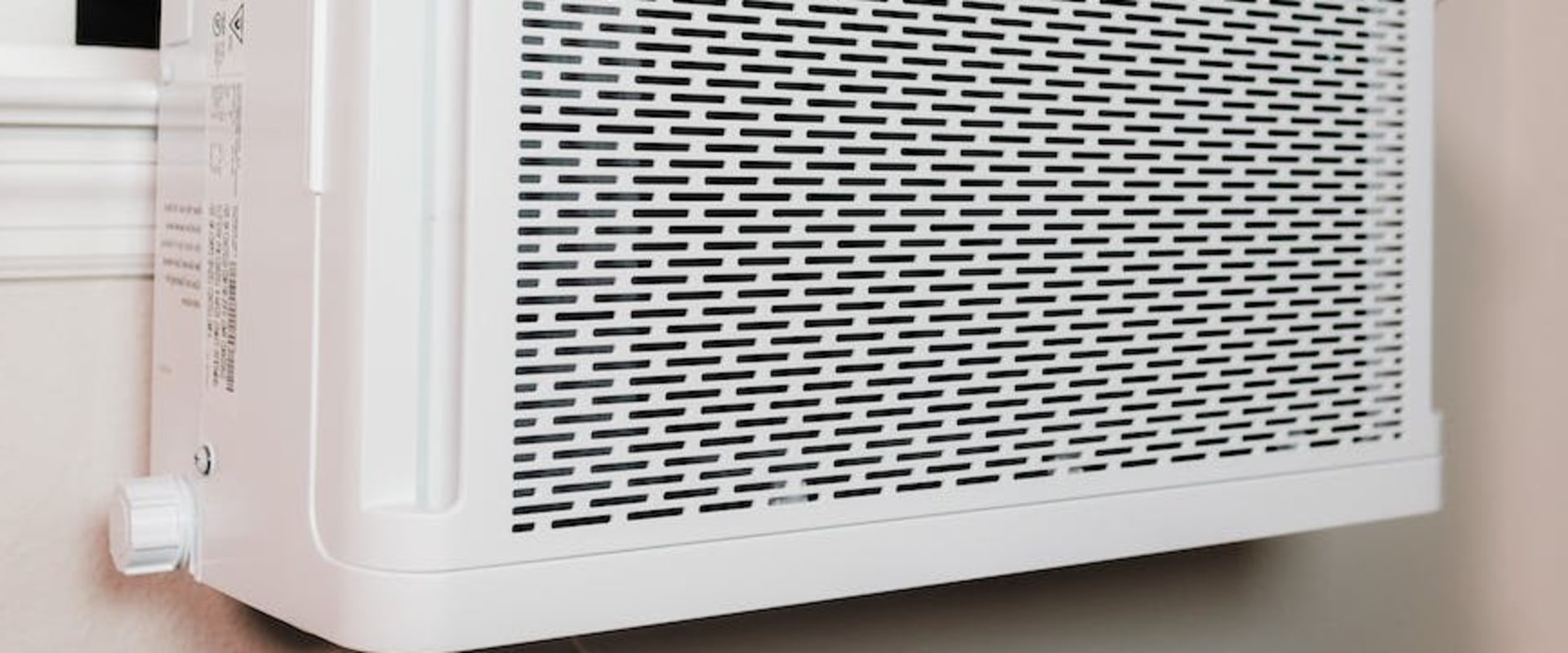
Room air conditioners are designed to cool individual rooms or small spaces.These units are typically installed in windows or through walls and come in various sizes to accommodate different room dimensions.
- Affordable Option: Room ACs are generally less expensive than central systems, making them a budget-friendly choice for targeted cooling.
- Easy Installation: Most room air conditioners can be installed without professional help, allowing homeowners to set them up quickly.
- Portability: Some models are portable and can be moved from room to room as needed, providing flexibility in cooling options.
Factors to Consider When Choosing an AC System
When it comes to choosing an AC system , several critical factors can significantly influence your decision. Understanding these elements will help you select a unit that not only meets your cooling needs but also operates efficiently and effectively.Energy Efficiency Ratings
One of the foremost considerations is the energy efficiency of the AC unit. Look for models with a high Seasonal Energy Efficiency Ratio (SEER) rating.The SEER rating measures the cooling output during a typical cooling season divided by the total electric energy input during the same period. A higher SEER rating indicates better energy efficiency, which can lead to substantial savings on your energy bills over time. Additionally, consider units that are ENERGY STAR certified, as they meet strict energy efficiency guidelines set by the U. S.
Environmental Protection Agency.
Size of the AC Unit
The size of the AC unit is another crucial factor. An improperly sized air conditioner can lead to various issues:- Too Large: If the unit is too big for your space, it will cool the area too quickly without adequately removing humidity, leading to a clammy environment.
- Too Small: Conversely, a unit that is too small will struggle to cool your home effectively, resulting in increased wear and tear and higher energy costs.
Installation Requirements
Proper installation is vital for optimal performance and efficiency. An incorrectly installed AC system can lead to air leaks, poor airflow, and reduced efficiency.Ensure that you hire a qualified technician who follows best practices during installation. This includes proper placement of the outdoor unit, sealing ductwork if applicable, and ensuring adequate insulation around refrigerant lines.In summary, when selecting an AC system, prioritize energy efficiency, ensure you choose the correct size for your space, and invest in professional installation. By considering these factors carefully, you can enjoy a comfortable indoor environment while minimizing energy costs and maximizing system longevity.
Energy Efficiency Ratings Explained
When selecting an air conditioning system, understanding energy efficiency ratings is crucial for making an informed decision. These ratings not only indicate how effectively an AC unit operates but also play a significant role in determining your long-term energy costs.Two of the most important ratings to consider are the Seasonal Energy Efficiency Ratio (SEER) and the Energy Efficiency Ratio (EER) .
Understanding SEER Ratings
The SEER rating measures the cooling output of an air conditioning system over a typical cooling season divided by the total energy consumed in watt-hours. Essentially, it provides a comprehensive view of how efficiently an AC unit can cool your home during warmer months. A higher SEER rating indicates better energy efficiency, which translates to lower energy bills.For example, an AC unit with a SEER rating of 16 is more efficient than one with a rating of 13. This difference can lead to significant savings over time, especially in regions with prolonged cooling seasons. In fact, upgrading from a 10 SEER unit to a 16 SEER unit can save homeowners up to 50% on their cooling costs.The Importance of EER Ratings
The EER rating, on the other hand, measures the efficiency of an air conditioning system at a specific operating condition, typically at 95°F outside temperature.It is calculated by dividing the cooling capacity (in BTUs) by the power input (in watts). While SEER provides a seasonal average, EER gives insight into how well the unit performs under peak conditions.For instance, if you live in an area that experiences extreme heat, a high EER rating becomes particularly important as it indicates that the system will maintain efficiency even when temperatures soar. Similar to SEER, a higher EER rating means better energy efficiency and potential cost savings.
Maximizing Energy Savings with AC
To maximize your energy savings with an AC system, consider the following tips:- Choose High Ratings: Opt for units with high SEER and EER ratings to ensure optimal performance and lower energy costs.
- Regular Maintenance: Schedule regular maintenance checks to keep your system running efficiently and to catch any issues early.
- Smart Thermostats: Invest in smart thermostats that can optimize your cooling schedule based on your lifestyle and preferences.
- Proper Sizing: Ensure that your AC unit is appropriately sized for your space; too large or too small units can lead to inefficiencies.
Sizing Your AC System Correctly
Choosing the right size for your air conditioning (AC) system is crucial for achieving optimal comfort and energy efficiency in your home. An improperly sized unit can lead to a range of issues, including inadequate cooling, increased energy bills, and a shortened lifespan for the system.Understanding how to size your AC unit correctly involves knowing the BTU requirements based on your room size and climate conditions.
What is BTU?
BTU, or British Thermal Unit, is a measurement of heat energy. In the context of air conditioning, it refers to the amount of heat that an AC unit can remove from a room in one hour. The higher the BTU rating, the more powerful the air conditioner. However, more power does not always equate to better performance; it’s essential to match the BTU rating to your specific needs.
Calculating BTU Requirements
To determine the appropriate BTU rating for your space, consider the following factors:
- Room Size: Measure the square footage of the room you want to cool.
A general rule of thumb is that you need about 20 BTUs per square foot of living space. For example, a 300-square-foot room would require approximately 6,000 BTUs.
- Ceiling Height: If your ceilings are higher than standard (8 feet), you may need to increase your BTU calculation by about 10% for every additional foot of height.
- Climate Conditions: Homes in hotter climates may require more cooling power. If you live in an area with high humidity or extreme temperatures, consider increasing your BTU needs by 10-20%.
- Sun Exposure: Rooms that receive a lot of sunlight will require more cooling power. If your room has large windows or faces south or west, add about 10% to your BTU calculation.
- Occupancy: More people generate more heat.
For each additional person beyond two in a room, add about 600 BTUs.
The Importance of Proper Sizing
A properly sized AC unit not only ensures effective cooling but also enhances energy efficiency. An oversized unit will cool the space too quickly without adequately removing humidity, leading to a clammy environment. Conversely, an undersized unit will struggle to maintain comfortable temperatures and run continuously, resulting in higher energy costs and increased wear and tear on the system.In conclusion, taking the time to accurately size your AC system based on BTU requirements is essential for maximizing comfort and efficiency in your home. By considering factors such as room size, climate conditions, and occupancy levels, you can make an informed decision that will keep your living space cool while minimizing energy consumption.
Installation Considerations for Optimal Performance
When it comes to the installation of your air conditioning (AC) system, the process is just as crucial as the choice of the unit itself.Proper installation techniques can significantly enhance the efficiency and longevity of your AC system, while poor installation can lead to a host of problems, including increased energy costs and reduced comfort levels.
Key Installation Tips for Optimal Performance
- Choose the Right Location: The placement of your AC unit is vital. Ensure that the outdoor unit is installed in a shaded area to prevent overheating and improve efficiency. Avoid placing it near obstructions that could block airflow.
- Ensure Proper Ductwork: If you are installing a central AC system, make sure that the ductwork is properly sized and sealed. Leaky ducts can lead to significant energy loss and uneven cooling throughout your home.
- Use Quality Insulation: Insulating your ducts and refrigerant lines can help maintain temperature and improve overall efficiency.
This is especially important in areas where ducts pass through unconditioned spaces.
- Follow Manufacturer Guidelines: Always adhere to the manufacturer’s installation instructions. This includes ensuring that all electrical connections are secure and that the refrigerant charge is set correctly.
- Consider Professional Installation: While DIY projects can be rewarding, installing an AC system often requires specialized knowledge. Hiring a certified HVAC technician can ensure that your system is installed correctly and safely.
Common Installation Mistakes to Avoid
- Incorrect Sizing: One of the most common mistakes is choosing an AC unit that is either too large or too small for the space. An oversized unit will cycle on and off frequently, leading to inefficient operation, while an undersized unit will struggle to cool the area effectively.
- Poor Drainage: Failing to install a proper drainage system can lead to water pooling around the unit, which may cause damage or promote mold growth.
Ensure that condensate drains are clear and directed away from the foundation.
- Neglecting Electrical Work: Improper electrical connections can not only affect performance but also pose safety hazards. Ensure that all wiring meets local codes and standards.
- Lack of Maintenance Access: When installing your AC system, consider future maintenance needs. Ensure there is adequate space around the unit for servicing and repairs.
The Importance of Regular Maintenance
Regular maintenance of your air conditioning (AC) system is essential for ensuring its longevity and optimal performance.Just like any other mechanical system, an AC unit requires periodic checks and servicing to function efficiently. Neglecting maintenance can lead to a host of problems, including reduced efficiency, higher energy bills, and even complete system failure.
Benefits of Regular Maintenance
- Improved Efficiency: A well-maintained AC system operates more efficiently, which can significantly lower your energy costs. Regular cleaning and servicing help the unit run smoothly, reducing the workload on the compressor and other components.
- Extended Lifespan: Routine maintenance can extend the lifespan of your AC unit. By addressing minor issues before they escalate into major problems, you can avoid costly repairs or premature replacement.
- Enhanced Air Quality: Regularly changing filters and cleaning ducts can improve indoor air quality.
This is particularly important for households with allergies or respiratory issues, as a clean system reduces dust, pollen, and other allergens circulating in your home.
- Fewer Breakdowns: Consistent maintenance helps identify potential issues early on, reducing the likelihood of unexpected breakdowns during peak usage times.
Essential AC Maintenance Tips
- Change Filters Regularly: One of the simplest yet most effective maintenance tasks is changing or cleaning the air filters every 1-3 months. Clogged filters restrict airflow and force the system to work harder.
- Clean the Coils: The evaporator and condenser coils can accumulate dirt over time. Cleaning these coils at least once a year helps maintain efficient heat exchange.
- Check Refrigerant Levels: Low refrigerant levels can indicate a leak or other issues. Ensure that your refrigerant levels are checked during routine maintenance to keep your system running optimally.
- Inspect Ductwork: Leaky ducts can lead to significant energy loss.
Inspecting and sealing ductwork ensures that cool air reaches its intended destination without unnecessary waste.
- Scheduling Professional Inspections: While homeowners can perform basic maintenance tasks, scheduling a professional inspection at least once a year is crucial. Technicians can identify issues that may not be apparent to the untrained eye.
Common Myths About Air Conditioning Systems
When it comes to air conditioning systems, there are numerous myths and misconceptions that can cloud judgment and lead to poor decisions. Understanding the truth behind these myths is essential for homeowners looking to optimize their cooling solutions.Here, we will debunk some of the most common myths surrounding air conditioning systems.
Myth 1: Bigger is Always Better
One prevalent myth is that a larger AC unit will always provide better cooling. In reality, an oversized air conditioning system can lead to inefficient operation. Such units cool the space too quickly without adequately removing humidity, resulting in a clammy environment. It’s crucial to choose a system that is appropriately sized for your home to ensure optimal performance.Myth 2: Closing Vents Improves Efficiency
Many believe that closing vents in unused rooms will save energy and improve efficiency.However, this can actually create pressure imbalances within the ductwork, leading to increased wear and tear on the system. Instead of closing vents, consider using zoning systems or adjusting the thermostat settings for better control.
Myth 3: AC Systems Only Cool Air
A common misconception is that air conditioning systems only cool the air. In fact, they also dehumidify it. This process is vital in maintaining comfort levels, especially in humid climates.A well-functioning AC unit will remove excess moisture from the air, making your living space more comfortable.
Myth 4: Regular Maintenance is Optional
Some homeowners think that regular maintenance of their AC system is not necessary if it seems to be working fine. This is far from the truth. Regular maintenance is essential for ensuring efficiency and longevity. Neglecting routine checks can lead to costly repairs and decreased performance over time.Myth 5: Turning Off the AC Saves Energy
Another widespread belief is that turning off your AC when you leave home saves energy.While it may seem logical, frequently turning your system on and off can lead to higher energy consumption due to the extra energy required to cool down a warm space again. Instead, consider setting a programmable thermostat to maintain a consistent temperature while you’re away.By debunking these myths, homeowners can make more informed decisions regarding their air conditioning systems. Understanding how these systems operate and what truly affects their efficiency can lead to better choices that enhance comfort and reduce energy costs.
Conclusion: Making an Informed Decision on Your AC System
In conclusion, selecting the right air conditioning (AC) system for your home is a critical decision that can significantly impact your comfort, energy efficiency, and overall satisfaction. Throughout this article, we have explored various aspects of AC operation , including the different types of systems available, essential factors to consider, and the importance of regular maintenance.Understanding how your AC system operates is fundamental to making an informed choice.Each type of AC system—whether it be a split-system central air conditioner, a packaged unit, or a room air conditioner—has its unique features and benefits. By familiarizing yourself with these options, you can better assess which system aligns with your specific needs and preferences.When evaluating potential AC systems, several key factors should guide your decision-making process:Each type of AC system—whether it be a split-system central air conditioner, a packaged unit, or a room air conditioner—has its unique features and benefits. By familiarizing yourself with these options, you can better assess which system aligns with your specific needs and preferences.When evaluating potential AC systems, several key factors should guide your decision-making process:
- Energy Efficiency: Opt for systems with high energy efficiency ratings to minimize your monthly utility bills and reduce environmental impact.
- Size: Ensure that the AC unit is appropriately sized for your space. An oversized unit may lead to inadequate moisture removal, while an undersized one will struggle to cool effectively.
- Installation: Proper installation is crucial for optimal performance. Poor installation can lead to inefficiencies and increased energy costs.
Keeping your AC system in top condition through routine check-ups and servicing will not only enhance its lifespan but also ensure it operates at peak efficiency. This proactive approach can save you money in the long run by preventing costly repairs and reducing energy consumption.Ultimately, making an informed decision about your AC system involves careful consideration of all these factors. By taking the time to research and evaluate your options, you can enjoy a comfortable living environment while also being mindful of energy use and costs. Remember, the right choice today will lead to a more comfortable tomorrow.