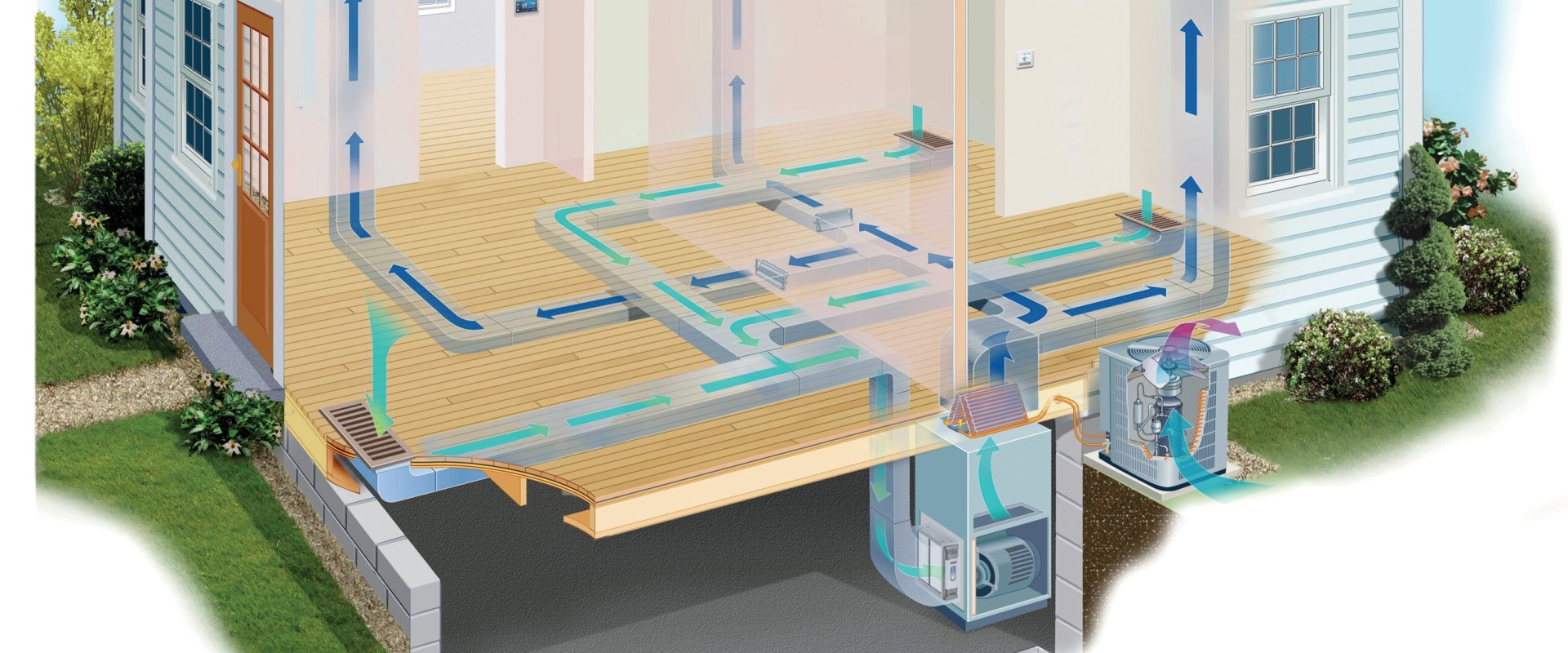
Air conditioning is more than just a luxury; it is a vital component of modern living that significantly enhances indoor comfort, especially during the sweltering summer months. Understanding AC operation is essential for homeowners and businesses alike, as it not only ensures a pleasant environment but also contributes to energy efficiency and cost savings. By grasping the intricacies of how air conditioning systems function, you can make informed decisions regarding maintenance, upgrades, and energy consumption.The process of air conditioning involves a series of carefully orchestrated phases that work together to cool and dehumidify indoor air. Each phase plays a crucial role in the overall efficiency of the system, from the initial absorption of heat to the final expulsion of warm air outside.
By familiarizing yourself with these phases, you can better appreciate the technology behind your cooling system and recognize the importance of regular maintenance to keep it running smoothly.In this comprehensive guide, we will delve into the four distinct phases of air conditioning : the evaporator coil, expansion chamber, compressor, and condenser. Each phase serves a specific purpose in the cooling cycle, and understanding these processes will empower you to optimize your system's performance. Whether you're troubleshooting an issue or simply looking to enhance your home's comfort level, knowledge of how air conditioning works is invaluable.As we explore these phases in detail, you'll discover not only how they contribute to effective cooling but also how they interact with one another to create a seamless experience. This understanding will enable you to maintain your system proactively, ensuring that it operates at peak efficiency for years to come.
Phase 1: The Evaporator Coil
The evaporator coil serves as the heart of the air conditioning system, playing a pivotal role in the cooling process.Located within the indoor unit, this component is designed to absorb heat from the air circulating inside your home, thereby lowering the temperature and enhancing comfort.When warm air from your living space is drawn into the air conditioning system, it passes over the evaporator coil. This coil is typically made of copper or aluminum, materials known for their excellent thermal conductivity. As the warm air flows over the coil, it encounters a refrigerant that has been cooled to a low temperature. This refrigerant is in a liquid state when it enters the evaporator coil.As the warm air comes into contact with the cold evaporator coil, heat transfer occurs.
The refrigerant inside the coil absorbs this heat, causing it to evaporate and change from a liquid to a gas. This process is crucial because it effectively removes heat from the indoor air, resulting in cooler air being circulated back into your home.To further understand how the evaporator coil works , it's essential to consider its design. The coil is often constructed with multiple fins that increase its surface area, allowing for maximum heat exchange. The fan within the indoor unit plays a significant role by blowing air over these fins, ensuring that warm air is continuously drawn across the coil.The efficiency of this phase directly impacts the overall performance of your air conditioning system.
If the evaporator coil becomes dirty or blocked, its ability to absorb heat diminishes, leading to reduced cooling efficiency and increased energy consumption. Regular maintenance, including cleaning or replacing filters and ensuring unobstructed airflow, is vital for optimal operation.In summary, the evaporator coil is not just a component; it is an essential part of how an AC system functions. By absorbing heat from indoor air and facilitating its transformation into a gas, it initiates the cooling process that keeps your home comfortable during hot weather.
Phase 2: The Expansion Chamber
After the refrigerant leaves the evaporator coil, it enters the expansion chamber , a critical component in the air conditioning cycle. This phase is essential for transitioning the refrigerant from a high-pressure gas to a low-pressure liquid, which is necessary for effective cooling.The function of the expansion chamber is to allow the refrigerant to expand and lose pressure.As the refrigerant exits the evaporator coil, it is still in a gaseous state but at a high pressure. When it enters the expansion chamber, it encounters a restriction that causes its pressure to drop significantly. This process is known as adiabatic expansion, where the refrigerant absorbs heat from its surroundings, leading to a decrease in temperature.During this transition, the refrigerant undergoes a significant change in its physical state. The drop in pressure allows the refrigerant to condense into a cold liquid form.
This phase is crucial because it prepares the refrigerant for re-entering the evaporator coil, where it will absorb heat from indoor air once again.The role of the expansion chamber in an AC system cannot be overstated. It not only facilitates the conversion of refrigerant from gas to liquid but also enhances overall system efficiency. By ensuring that the refrigerant enters the evaporator coil at an optimal temperature and pressure, the expansion chamber helps maximize heat absorption. This efficiency translates into lower energy consumption and improved cooling performance.Moreover, regular maintenance of the expansion chamber is vital for ensuring that it functions correctly.
Any blockages or malfunctions can lead to improper refrigerant flow, resulting in decreased cooling efficiency and increased energy costs. Therefore, homeowners should consider routine checks by HVAC professionals to ensure that this component remains in good working condition.In summary, the expansion chamber plays a pivotal role in the air conditioning cycle by facilitating the transition of refrigerant from gas to liquid while lowering its pressure and temperature. Understanding this phase can help homeowners appreciate how their AC systems work and why regular maintenance is essential for optimal performance.
Phase 3: The Compressor
The compressor is a pivotal component in the air conditioning system, acting as the heart of the cooling process. Its primary function is to compress the refrigerant gas, significantly increasing its pressure and temperature before it moves on to the next phase of the cycle.Understanding how the compressor works and its role in cooling can help homeowners appreciate its importance and maintain its efficiency.
How the Compressor Works
When the refrigerant exits the evaporator coil, it is in a low-pressure gaseous state. The compressor draws this gas into its chamber, where it is subjected to mechanical compression. This process involves a series of moving parts, including a piston or scroll mechanism, which compresses the gas into a smaller volume. As the gas is compressed, its pressure rises dramatically, and so does its temperature due to the principles of thermodynamics.Once the refrigerant reaches a high-pressure state, it exits the compressor and flows into the condenser coils.Here, it will release heat to the outside air, transitioning from a gas back into a liquid state. This transformation is crucial for maintaining an efficient cooling cycle.
The Role of the Compressor in Cooling
The compressor's role extends beyond merely increasing pressure; it also ensures that the refrigerant circulates effectively throughout the system. By maintaining a consistent flow of refrigerant, the compressor helps regulate indoor temperatures and humidity levels. A well-functioning compressor contributes to optimal energy efficiency, reducing electricity costs while providing reliable cooling.Tips for Maintaining Compressor Efficiency
- Regular Maintenance: Schedule routine inspections with an HVAC professional to ensure that your compressor is functioning correctly and efficiently.
- Cleanliness: Keep the area around your outdoor unit clear of debris and vegetation to promote proper airflow and prevent overheating.
- Check Refrigerant Levels: Low refrigerant levels can cause excessive strain on the compressor.
Ensure that your system is charged correctly.
- Listen for Unusual Noises: Any strange sounds coming from your compressor may indicate mechanical issues that need immediate attention.
Phase 4: The Condenser
The final phase of the air conditioning process is the condenser , a critical component that plays a vital role in expelling heat from the refrigerant to the outside air. Understanding how the condenser functions is essential for grasping the overall operation of an AC system.Once the refrigerant has absorbed heat from the indoor air and transformed into a gas, it travels to the condenser, which is typically located outside your home. Here, the refrigerant enters the condenser coils, where it encounters warm outdoor air.The primary function of the condenser is to release the heat absorbed by the refrigerant during its journey through the evaporator coil.
How the Condenser Works
As warm air blows over the condenser coils, it facilitates a heat exchange process. The refrigerant, now in gaseous form and under high pressure, releases its heat to the surrounding air. This process causes the refrigerant to cool down and condense back into a liquid state. The efficiency of this heat transfer is crucial; if the condenser cannot effectively expel heat, it can lead to increased pressure within the system and potential malfunctions.During this phase, several factors influence how well the condenser operates:- Airflow: Adequate airflow over the condenser coils is essential for efficient heat exchange.
Blockages from debris or vegetation can hinder airflow, reducing cooling efficiency.
- Temperature: The outdoor temperature affects how effectively heat can be expelled. On extremely hot days, the condenser may struggle to release heat, impacting overall system performance.
- Maintenance: Regular maintenance of the condenser is vital. Cleaning coils and ensuring that fans are functioning properly can significantly enhance efficiency and prolong system life.
Neglecting this component can lead to higher energy bills and premature wear on your AC system.In conclusion, understanding how the condenser works and its significance in AC operation is crucial for homeowners looking to maintain an efficient cooling system. By prioritizing proper maintenance and being aware of factors that affect performance, you can ensure that your air conditioning unit operates smoothly for years to come.
The Importance of Regular Maintenance
Regular maintenance of your air conditioning system is not just a recommendation; it is a necessity for ensuring optimal performance and longevity. By investing time and effort into routine care, you can significantly enhance the efficiency of your AC unit, reduce energy costs, and prevent costly repairs down the line.Understanding the Importance of HVAC Maintenance
HVAC maintenance plays a crucial role in the overall health of your air conditioning system. Just like any other mechanical system, your AC requires regular check-ups to function effectively.
Neglecting maintenance can lead to a range of issues, including:
- Reduced Efficiency: Dust and debris can accumulate in the evaporator and condenser coils, hindering heat exchange and forcing your system to work harder.
- Increased Energy Bills: An inefficient system consumes more energy, leading to higher utility costs.
- Shortened Lifespan: Regular wear and tear without proper maintenance can lead to premature failure of components.
- Unpleasant Odors: A lack of cleaning can result in mold growth within the system, causing musty smells.
Best Practices for Air Conditioning Maintenance
To keep your air conditioning system running smoothly, consider implementing the following maintenance tips:
- Change Filters Regularly: Replace or clean air filters every 1-3 months to ensure proper airflow and reduce strain on the system.
- Inspect Ductwork: Check for leaks or blockages in ductwork that can impede airflow. Sealing leaks can improve efficiency significantly.
- Clean Coils: Ensure that both the evaporator and condenser coils are free from dirt and debris. This can be done by gently brushing or vacuuming them.
- Scheduling Professional Inspections: Have a qualified HVAC technician perform annual inspections to identify potential issues before they escalate.
The Role of Preventive Maintenance
Preventive maintenance is an essential strategy for maintaining your AC system's health. This proactive approach involves regular checks and services that help identify problems early on.
By scheduling preventive maintenance, you can:
- Avoid Unexpected Breakdowns: Regular inspections help catch minor issues before they turn into major failures.
- Enhance Comfort: A well-maintained system provides consistent cooling, ensuring a comfortable indoor environment.
- Extend Equipment Life: Routine care can prolong the lifespan of your air conditioning unit, saving you money on replacements.
Common Issues and Troubleshooting Tips
Air conditioning systems are complex machines that can encounter a variety of issues throughout their operational phases. Understanding these common problems and knowing how to troubleshoot them can save homeowners time and money. Below are some frequent issues that may arise during the different phases of AC operation, along with practical troubleshooting tips.Common Problems in the Evaporator Coil Phase
- Insufficient Cooling: If your AC is not cooling effectively, it may be due to a dirty evaporator coil.
Dust and debris can accumulate on the coil, hindering its ability to absorb heat.
- Frost Build-Up: Frost on the evaporator coil can indicate low refrigerant levels or poor airflow. This can lead to reduced efficiency and potential damage.
- Regularly clean or replace air filters to ensure proper airflow.
- If frost is present, turn off the system and allow it to thaw before checking refrigerant levels.
Common Problems in the Expansion Chamber Phase
- Refrigerant Leaks: A leak in the expansion chamber can lead to insufficient cooling and increased energy costs.
- Pressure Imbalances: Incorrect pressure levels can affect the efficiency of the cooling process.
- Inspect for visible signs of refrigerant leaks, such as oily residue around connections.
- Consult an HVAC professional for pressure testing and adjustments.
Common Problems in the Condenser Phase
- Overheating: If the condenser unit is overheating, it may be due to blocked airflow or a malfunctioning fan.
- Noisy Operation: Unusual sounds from the condenser can indicate mechanical issues or debris caught in the fan.
- Ensure that the area around the condenser is clear of debris and vegetation.
- If you hear strange noises, turn off the unit and inspect for any visible obstructions.
FAQs About Air Conditioning Phases
Understanding the phases of air conditioning can raise several questions, especially for homeowners looking to optimize their HVAC systems. Here are some frequently asked questions about AC operation and the various phases involved in air conditioning.What are the main phases of air conditioning?
The primary phases of air conditioning include:- Evaporation: This phase involves the evaporator coil, where the refrigerant absorbs heat from indoor air, cooling it down before it circulates back into your home.
- Expansion: After leaving the evaporator, the refrigerant enters the expansion chamber, where it expands and cools further, preparing for the next phase.
- Condensation: In this phase, the refrigerant releases the absorbed heat to the outside air through the condenser coil, transforming back into a liquid state.
- Compression: The compressor pressurizes the refrigerant, allowing it to flow back to the evaporator and restart the cycle.
How does an air conditioner cool a room?
An air conditioner cools a room by removing heat from the indoor air and transferring it outside.The process begins with warm air being drawn over the evaporator coil, where it is cooled by the refrigerant. The cooled air is then circulated back into the room, while the heat absorbed by the refrigerant is expelled outdoors through the condenser.
Why is regular maintenance important for my AC system?
Regular maintenance is crucial for ensuring optimal AC operation. It helps identify potential issues before they escalate into costly repairs. Routine checks can improve energy efficiency, extend the lifespan of your system, and maintain consistent cooling performance throughout its operation.What should I do if my AC is not cooling properly?
If your AC is not cooling effectively, consider checking:- The thermostat settings to ensure they are correct.
- The air filters for dirt and blockages that may restrict airflow.
- The outdoor unit for debris or obstructions that could hinder performance.
Conclusion: Mastering Your Air Conditioning System
In conclusion, mastering your air conditioning system is essential for ensuring a comfortable living environment, especially during the sweltering summer months.Understanding the four phases of AC operation —the evaporator coil, expansion chamber, compressor, and condenser—provides valuable insights into how your system functions. Each phase plays a pivotal role in the overall efficiency and effectiveness of your air conditioning unit.By familiarizing yourself with these components, you can better appreciate the intricate processes that keep your home cool. For instance, recognizing how the evaporator coil absorbs heat from indoor air allows you to understand why regular maintenance is crucial. A clean and well-functioning evaporator coil ensures optimal heat exchange, which directly impacts your system's performance.Moreover, the expansion chamber's role in regulating refrigerant flow is vital for maintaining the right pressure levels within the system.
Neglecting this phase can lead to inefficiencies and potential breakdowns. Therefore, it is advisable to schedule routine inspections with a qualified HVAC professional who can identify any issues before they escalate.Additionally, understanding the compressor's function in circulating refrigerant and compressing it into a high-pressure gas highlights the importance of keeping this component in good working order. A malfunctioning compressor can lead to significant cooling issues and costly repairs.Finally, the condenser's ability to expel heat to the outside environment is crucial for maintaining a balanced system. Regularly cleaning the condenser coils and ensuring proper airflow can enhance your air conditioner's efficiency.In summary, by applying the knowledge gained from understanding each phase of air conditioning operation, you empower yourself to take proactive steps in maintaining your system.
This not only prolongs its lifespan but also enhances energy efficiency, ultimately leading to lower utility bills and a more comfortable home. Embrace this knowledge and make informed decisions regarding your air conditioning maintenance to enjoy optimal comfort year-round.